Express & Authorized
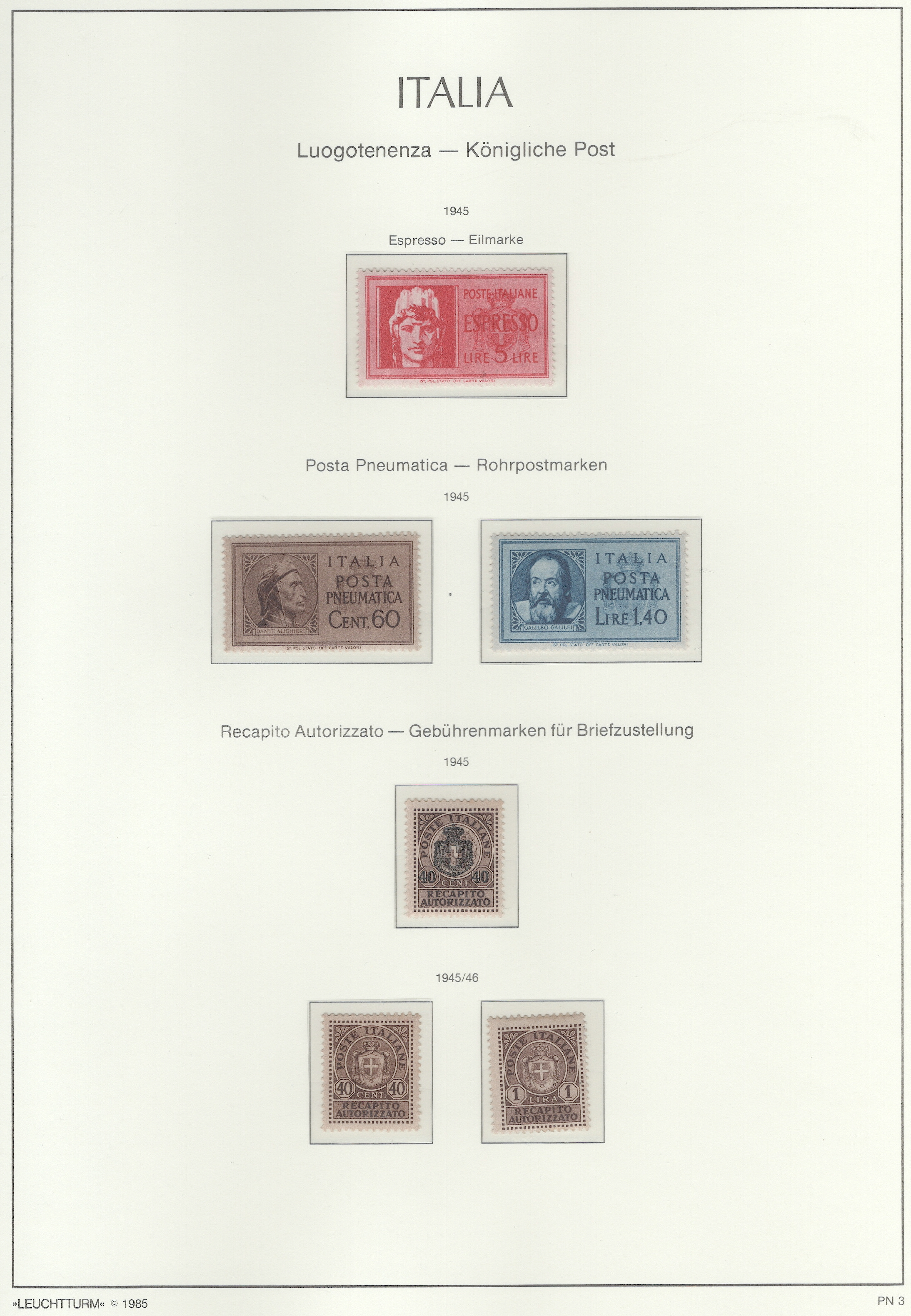
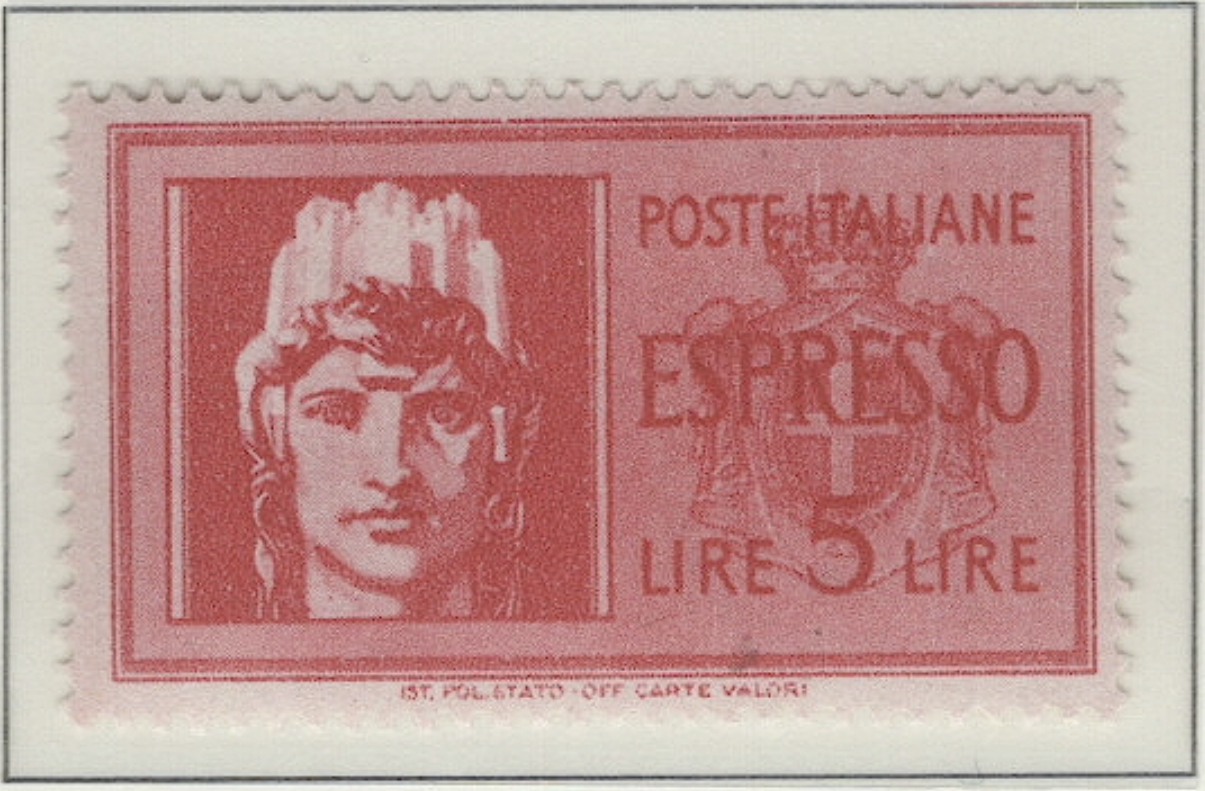
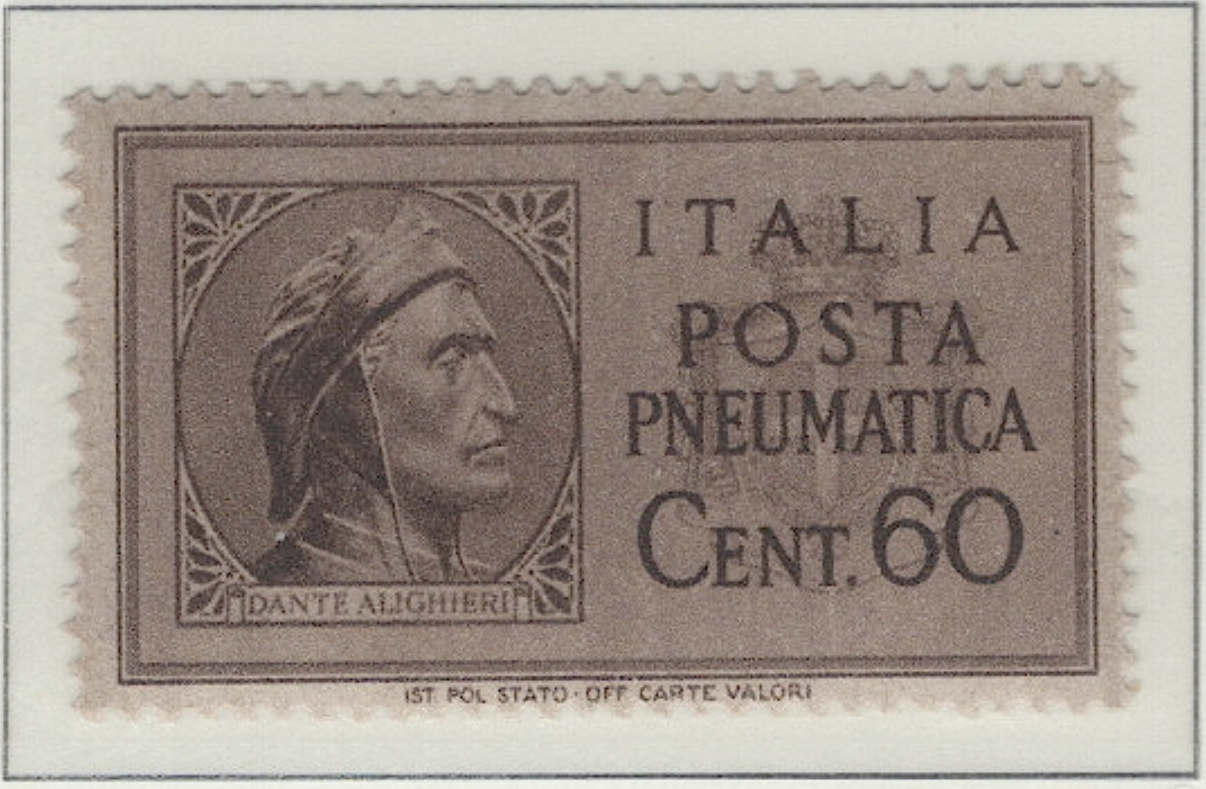
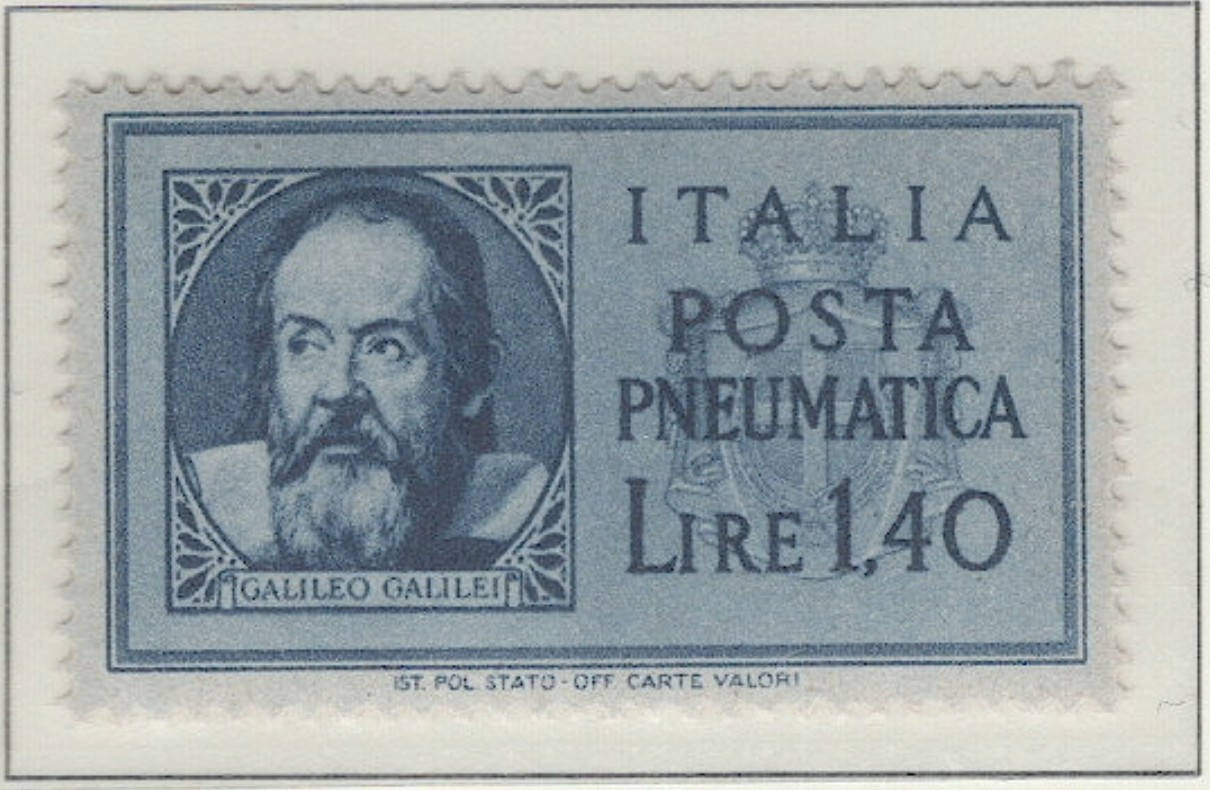
The stamp by itself on the top row was used for express mail service. The two on the second row were for pneumatic delivery service. The other three stamps were for private mail service. These last two services are described here:
Pneumatic Mail
Pneumatic mail is another interesting innovative system to improve the speed of mail delivery. It used a system of pneumatic tubes in Rome, Milan, and Naples. There were special mail boxes designated for sending pneumatic mail. They were emptied several times a day by mail carriers and brought to the nearest post office – one that had a pneumtic tube terminal.
Pneumatic mail were sorted and put into the appropriate pneumatic tube carrier, the one that would terminate at the post office closest to the mail’s destination. On that end, a mail carrier would take the letter and hand-deliver it using a bicycle to the recipient’s address. The Italian post office has a video on YouTube showing this process.
The stamps you see on this page were required for pneumatic mail service. They were initially made available in 1913 and printed as late as 1927. I’m not sure how long the service was available in Italy. In the U.S., pneumatic mail service was available in a few major cities, including New York, where it lasted from 1897 until 1953.
Private Mail Service
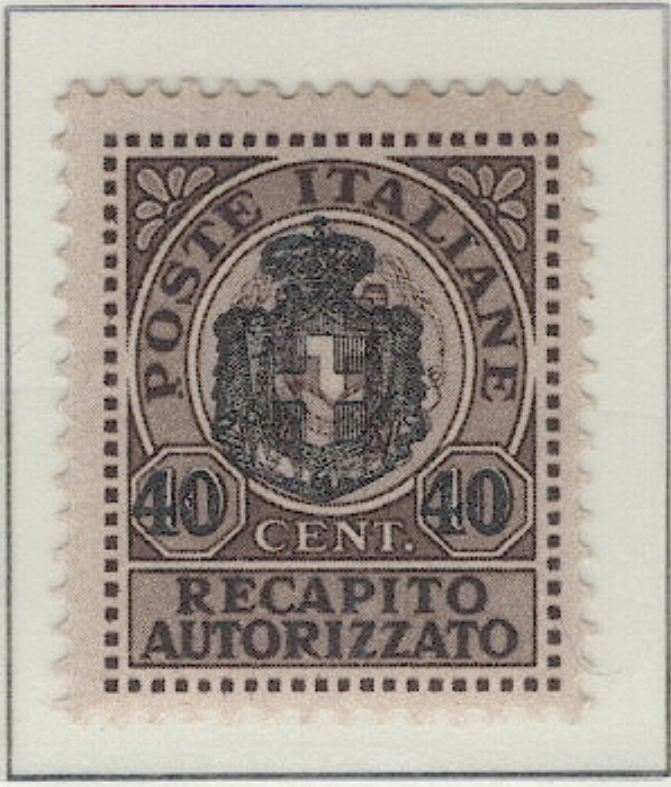
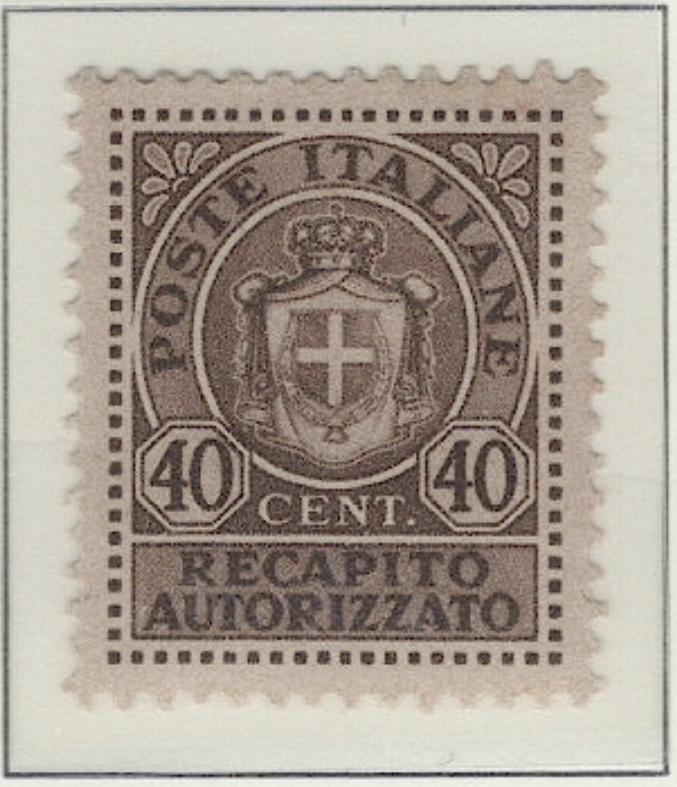
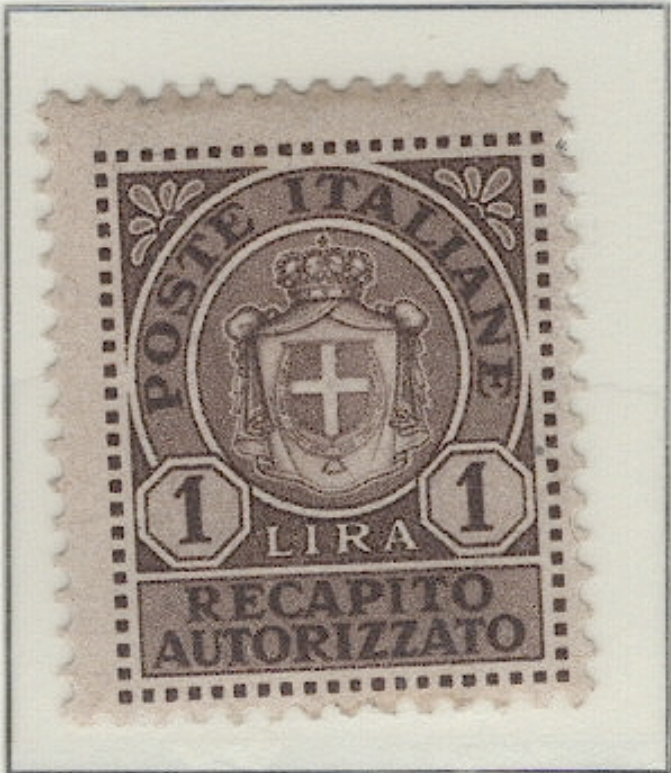
In the late 1920’s, there were apparently some businesses that started offering letter delivery services, competing with the Italian post office. Given the beauracratic and controlling nature of the Italian government, they did not like this and forbade it at first. As a compromise, they agreed to allow such private delivery services, providing the post office was given a cut. This was accomplished and verified with the inclusion of a special stamp: a Recapito Autorizzato, which is an archaic term for Authorized Delivery. Stanley-Gibbons’ Italy catalog translates it to mean, a Concessional Letter Postage stamp (i.e, the private company was given a concession to deliver mail).
The last three stamps on this page are Recapito Autorizzato stamps. Their face value, ten cents, is less than what the Italian post office charged. I find these stamps and other special stamps that Italy used to be interesting. Basically, these private companies were predecessors to Federal Express and these were the stamps they had to use.
Note
This album page contains specialty stamps from a transition period, after the Fascists were ousted and the king had delegated his authority to his son, Umberto II. I wish they had designed and issued a few definitive and commemorative stamps with the image of Umberto II on them. It would have been a nice tribute to the new and outgoing king. There’s just the set of three in 1930 commemorating his marriage (see Monte Cassino & Maria José).
Contains 6 spots: own 6 – 6 unused, 0 used.
Page is finished.
Album or Web Page Last changed Jul 17, 2025
Stamp Details
The table below lists information about the stamps shown on this page of Lighthouse’s stamp album. For more details about a particular stamp, click on its description. That will take you to the related web page of Colnect.
spot |
own |
catalog |
subject |
description |
comment |
Express Mail
✓ |
E24 |
5₤ (aug 1945) |
Pneumatic Mail
✓ |
PN16 |
60c (oct 1945) |
|||
✓ |
PN17 |
1.40₤ (oct 1945) |
Private Delivery
✓ |
RA5 |
40c (may 1945) |
|||
✓ |
RA6 |
40c (aug 1945) |
|||
✓ |
RA7 |
1₤ (aug 1945) |
Footnotes
Spot refers to the postion of the stamp on the album page (e.g., 3.2 indicates row 3, position 2).
Amt. is an abbreviation for the face amount of the stamp.
Own indicates the stamp status: ✓ for unused; ✗ for used or canceled; ⭑ signifies I ordered one; ; ✨ indicates it was bought recently; ✠ means an auction bid is pending; and ◎ is used, and it costs too much for unused.
To search by catalog number, go to the search box and enter it in the catalog number box. However, it’s a bit broken; I need to fix it.





