Cog Railway
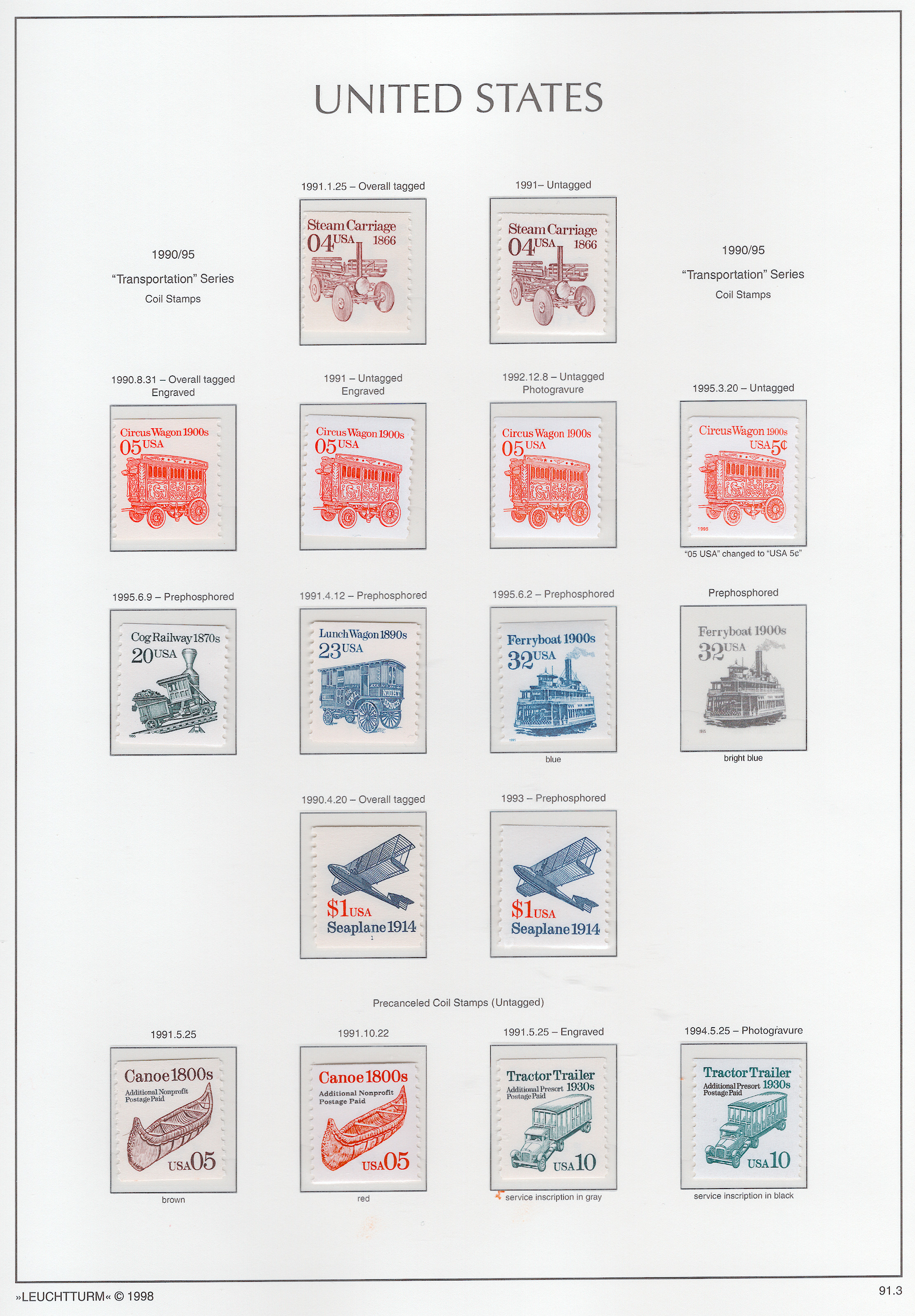
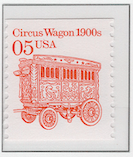
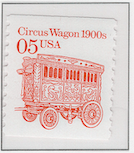
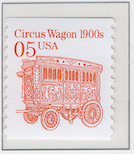
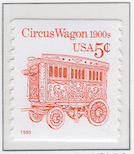
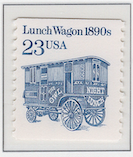
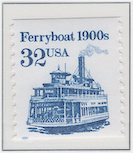
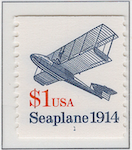
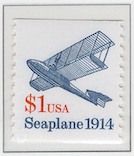
There are a few stamps with interesting transportation vehicles on this album page. The Circus Wagon and Lunch Wagon would be neat to see in person. I’ve ridden on Ferryboats. I have no interest in flying in a mail Seaplane. So I decided to write about the Cog Railway and the Steam Carriage.
Cog Railways
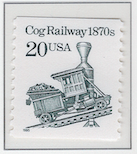
The first stamp on the left end of the third row shows a train engine and coal car on a cog railway. The rails for cog railway trains are different from regular trail rails in that instead of a smooth iron friction based track, its a toothed surface with a the train’s wheels are cogs or pinions that dovetail into the teeth of the rack rails.
These are used on trains with railways that are contained within a limited distance, almost always for steep terrain such a mountain sides and hills, with a gradient of at least forty-five percent. This system makes it easier to climb the incline and prevents trains from sliding backwards.
Steam Carriages
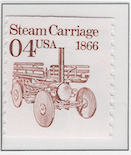
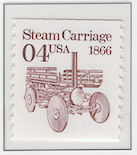
The two stamps on the top row show an image of a steam carriage from 1866. Based on the train engine which operated on steam turning the engine cogs and gear and thereby the wheels of the cars, many attempts were made to build a steam drive automobile in the 1800s and early 1900s.
Steam carriages worked, but they had a heating and exhaust problem. The engine was too hot and the driver and passenger seats too close to the it for comfort. There was also the problem of the exhaust from the engine, covering passengers and other near the car when passing with soot.
The introduction of gas powered combustion engines didn’t immediately replace steam engines. The gas engine require someone to crank manually the starter to get the pistons going. That could sometimes cause injuries to one’s hand or wrist. The steam engine didn’t require manual cranking to start it. Once the electric starter was invented – along with Henry Ford assembly line production of gas powered cars at a lower price – interest in steam engines declined rapidly.
Note
I’m not sure what kind of air plane is shown in the Seaplane stamps on the fourth row. Maybe if I had known that, I would have written about it. Also, I’m not confident that the second stamp is catalog 2468b, and not just another 2468 like the first one. The person who sold it to me is reputable and said it is, but I’m still not convinced. I need to get a black light to be able to see the phosphorous tagging.
Contains 16 spots: own 15 – 15 unused, 0 used.
Album or Web Page Last changed Jul 21, 2025
Stamp Details
The table below lists information about the stamps shown on this page of Lighthouse’s stamp album. For more details about a particular stamp, click on its description. That will take you to the related web page of Colnect.
spot |
own |
catalog |
subject |
description |
comment |
Transportation
✓ |
2451 |
4c (jan 1991) |
|||
✓ |
2451b |
4c (jan 1991) |
|||
✓ |
2452 |
5c (aug 1990) |
|||
✓ |
2452a |
5c (nov 1991) |
|||
✓ |
2452B |
5c (aug 1992) |
|||
✓ |
2452D |
5c (mar 1995) |
|||
✓ |
2463 |
20c (jun 1995) |
|||
✓ |
2464 |
23c (apr 1991) |
|||
✓ |
2466 |
32c (jun 1995) |
|||
2466b |
32c (jun 1995) |
||||
✓ |
2468 |
$1 (apr 1990) |
|||
✓ |
2468b |
Seaplane |
$1 (apr 1990) |
||
✓ |
2453 |
5c (may 1991) |
|||
✓ |
2454 |
5c (oct 1991) |
|||
✓ |
2457 |
10c (may 1991) |
|||
✓ |
2458 |
10c (may 1994) |
Footnotes
Spot refers to the postion of the stamp on the album page (e.g., 3.2 indicates row 3, position 2).
Amt. is an abbreviation for the face amount of the stamp.
Own indicates the stamp status: ✓ for unused; ✗ for used or canceled; ⭑ signifies I ordered one; ; ✨ indicates it was bought recently; ✠ means an auction bid is pending; and ◎ is used, and it costs too much for unused.
To search by catalog number, go to the search box and enter it in the catalog number box. However, it’s a bit broken; I need to fix it.















