Ulysses Grant
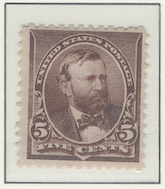
Ulysses Grant was born in Ohio in 1822. As a young man, he went to U.S. Military Academy in West Point, New York. He was an officer in the Army for about ten years, and was involved in several military campaigns. After participating the Mexican-American War, he resigned in 1854 from the military.
In 1861, Grant joined the Army again to help with the American Civil War and quickly rose in the rank of Brigadier General (i.e., one star). In 1863, he was victorious in leading the Vicksburg Campaign which secured the Mississippi River. President Lincoln promoted him to Lieutenant General (i.e., two stars) – first person since Washington to hold that rank – and made Grant commander of all Union troops. A year and one month later, General Robert Lee of the Confederate Army surrendered to Grant.
In 1866, since Grant was still head of all of the armies, he was promoted to General of the Army (i.e., four stars), which was a newly created rank. His position, though, should have made him a five-star general, but that rank didn’t exist in the U.S. military until World War II. However, in 2022 the U.S. Congress, with President Joseph Biden’s approval and signature, posthumously promoted Grant to General of the Armies (i.e., five stars). George Washington was posthumously given the same rank in 1976, with President Gerald Ford approving, thus making Washington forever the most senior officer of all U.S. Generals.
In 1868, Grant ran for president and won, becoming the eighteenth president. He was president for two terms. During the reconstruction period of the South, grant passed several pieces of legislation that protected the rights of African Americans (i.e., former slaves), including not allowing Confederate states to rejoin the union unless they first abolished slavery in their states. With regards to foreign affairs, he was not always successful. However, he did manage to improve relations with Britain so that they were no longer an enemy, and the U.S. never again had a military conflict with them.
Note
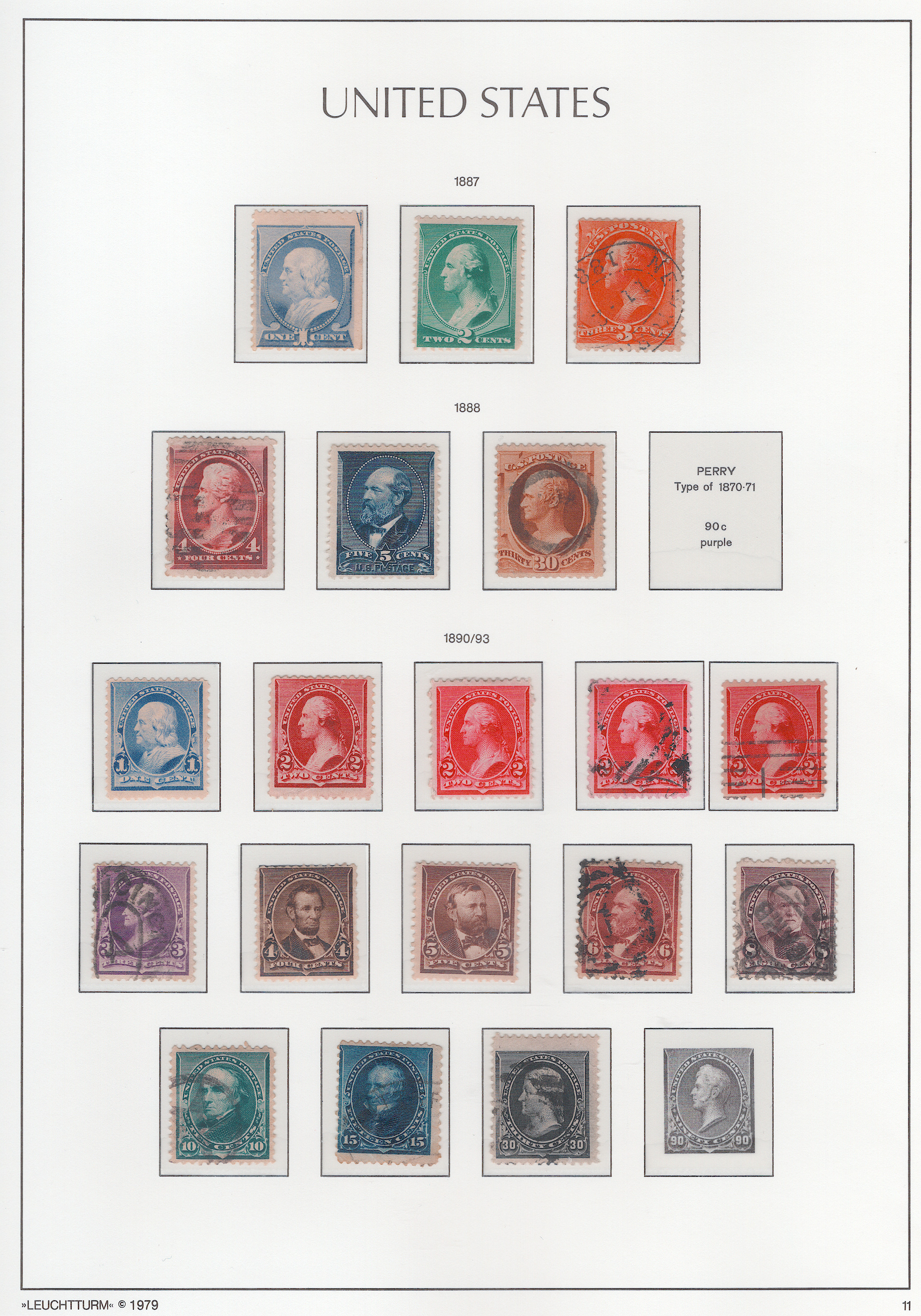
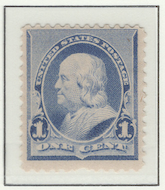
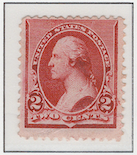
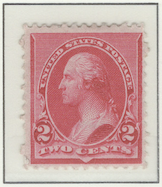
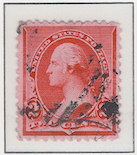
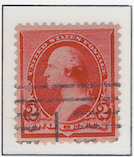
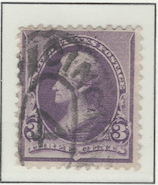
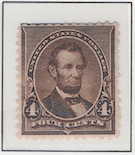
This album page is only about half full, but it’s the first page on which I have some unused stamps. These are a little more affordable for me. Some of the ones I’m missing, though, are still pretty high priced. It will be a while before this page is done, but at least I have a fighting chance.
Contains 21 spots: own 19 – 8 unused, 11 used.
Album or Web Page Last changed Mar 22, 2025
Stamp Details
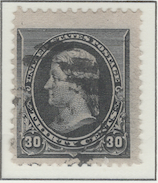
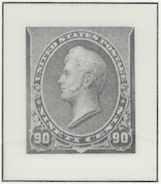
The table below lists information about the stamps shown on this page of Lighthouse’s stamp album. For more details about a particular stamp, click on its description. That will take you to the related web page of Colnect.
spot |
own |
catalog |
subject |
description |
comment |
|---|---|---|---|---|---|
✓ |
212 |
1c (jul 1887) |
|||
✓ |
213 |
2c (sep 1887) |
|||
✗ |
214 |
3c (sep 1887) |
|||
✗ |
215 |
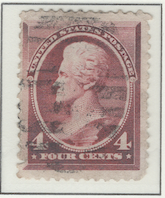
4c (nov 1888) |
|||
✓ |
216 |
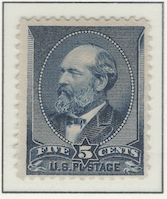
5c (feb 1888) |
|||
✗ |
217 |
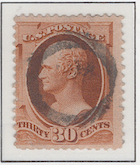
30c (jan 1888) |
|||
218 |
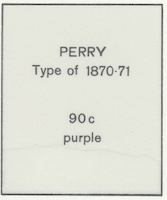
90c (feb 1888) |
||||
✓ |
219 |
1c (feb 1890) |
|||
✓ |
219D |
2c (feb 1890) |
|||
✓ |
220 |
2c (mar 1890) |
|||
✗ |
220a |
2c (jun 1890) |
|||
✗ |
220c |
2c (jun 1890) |
|||
✗ |
221 |
3c (feb 1890) |
|||
✓ |
222 |
4c (jun 1890) |
|||
✓ |
223 |
5c (jun 1890) |
|||
✗ |
224 |
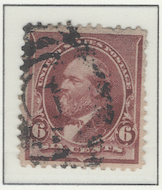
6c (feb 1890) |
|||
✗ |
225 |
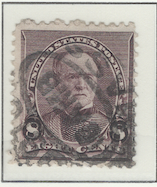
8c (mar 1893) |
|||
✗ |
226 |
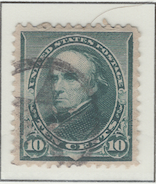
10c (feb 1890) |
|||
✗ |
227 |
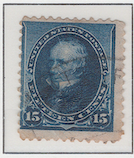
15c (feb 1890) |
|||
✗ |
228 |
30c (feb 1890) |
|||
229 |
90c (feb 1890) |
Footnotes
Spot refers to the postion of the stamp on the album page (e.g., 3.2 indicates row 3, position 2).
Amt. is an abbreviation for the face amount of the stamp.
Own indicates the stamp status: ✓ for unused; ✗ for used or canceled; ⭑ signifies I ordered one; ; ✨ indicates it was bought recently; ✠ means an auction bid is pending; and ◎ is used, and it costs too much for unused.
To search by catalog number, go to the search box and enter it in the catalog number box. However, it’s a bit broken; I need to fix it.




















