Calvin Coolidge
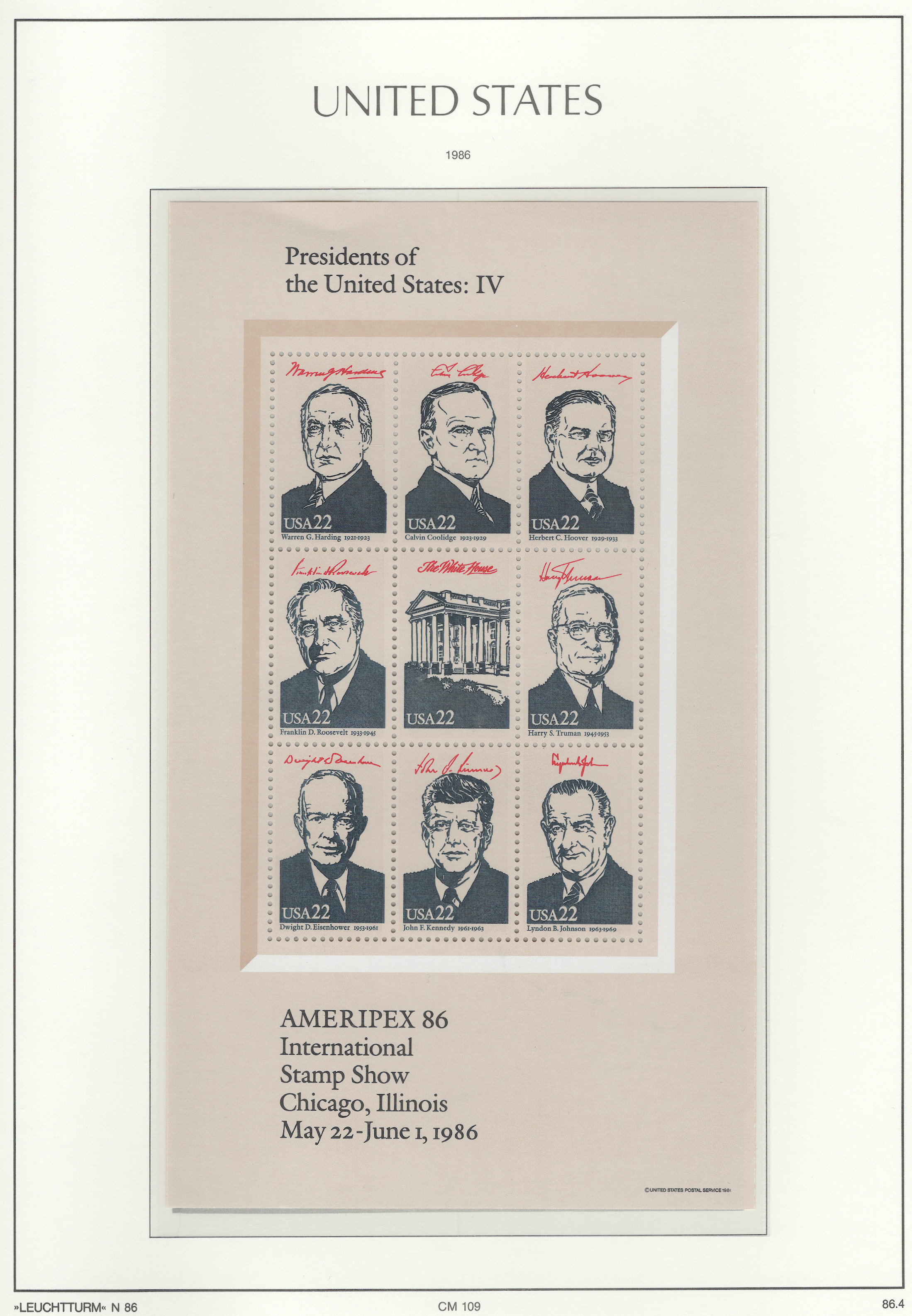
Calvin Coolidge was elected in 1920 the Vice President under President Warren Harding. He was previously Lieutenant Governor and then Governor of Massachusetts. Despite his career in politics, Coolidge was naturally a quiet person, not prone to speaking much. As Vice President, he would attend Cabinet meetings – something previous Vice Presidents didn’t do – and make public appearances with the President, but he wouldn’t speak. His wife was very outgoing, so she would often take him to social functions, at which he would remain even more quiet, letting her speak instead and enjoy herself. As a result, he became know at Silent Cal, and was said jokingly to be “silent in five languages”. Ironically, when Coolidge succeeded Harding, he was the first President to broadcast his State of the Union speech over the radio.
In 1923, about two years into his term, President Harding died of cardiac arrest and Coolidge became the thirtieth President of the United States. Rather than make any significant changes, Coolidge kept Harding’s Cabinet, which included Herbert Hoover as Secretary of Commerce – who would succeed Coolidge as President in 1928 – and the immensely wealthy, Andrew Mellon as Secretary of Treasury. The three of them had a laissez-faire policy regarding businesses and the economy. The result was rapid economic growth, which would produce a decade of prosperity that would end with economic collapse and the start of the Great Depression.
Coolidge and Mellon cut taxes dramatically, eliminating taxes for millions of people, and cut government spending. In the process, they paid off one-fourth of the national debt and were on course to pay it off completely. On civil rights, Coolidge granted U.S. citizenship to all Native Americans and spoke out against unfair treatment and abuses of African Americans. When Harding died, several scandals surrounding him surfaced. Coolidge’s style as a clean-cut, no double-talk, fair minded politicisn, along with the economic prosperity he ushered in, was a relief to the public.
Note
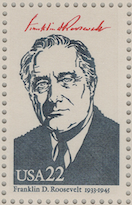
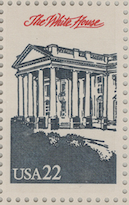
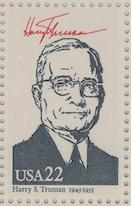
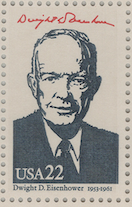
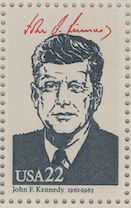
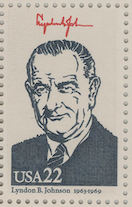
I have pages elsewhere for all of these Presidents except for Calvin Coolidge – I even describe the White House on one page. Overall, I don’t like these souvenir sheets. Although I appreciate that they were bringing many unknown Presidents to the attention of the public – especially since all of them have the same face amount – they’re very drab and don’t tell us anything about the people they depict. They don’t include anything in the background that speaks to their history, such as the Adorned Definitives series of 1901. It seems like a wasted opportunity.
Contains 9 spots: own 9 – 9 unused, 0 used.
Page is finished.
Album or Web Page Last changed May 25, 2025
Stamp Details
The table below lists information about the stamps shown on this page of Lighthouse’s stamp album. For more details about a particular stamp, click on its description. That will take you to the related web page of Colnect.
spot |
own |
catalog |
subject |
description |
comment |
U.S. Presidents
✓ |
2219a |
22c (may 1986) |
|||
✓ |
2219b |
22c (may 1986) |
|||
✓ |
2219c |
22c (may 1986) |
|||
✓ |
2219d |
22c (may 1986) |
|||
✓ |
2219e |
22c (may 1986) |
|||
✓ |
2219f |
22c (may 1986) |
|||
✓ |
2219g |
22c (may 1986) |
|||
✓ |
2219h |
22c (may 1986) |
|||
✓ |
2219i |
22c (may 1986) |
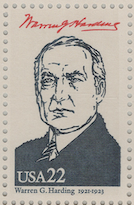
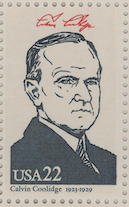
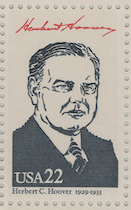
Footnotes
Spot refers to the postion of the stamp on the album page (e.g., 3.2 indicates row 3, position 2).
Amt. is an abbreviation for the face amount of the stamp.
Own indicates the stamp status: ✓ for unused; ✗ for used or canceled; ⭑ signifies I ordered one; ; ✨ indicates it was bought recently; ✠ means an auction bid is pending; and ◎ is used, and it costs too much for unused.
To search by catalog number, go to the search box and enter it in the catalog number box. However, it’s a bit broken; I need to fix it.








