City of Refuge
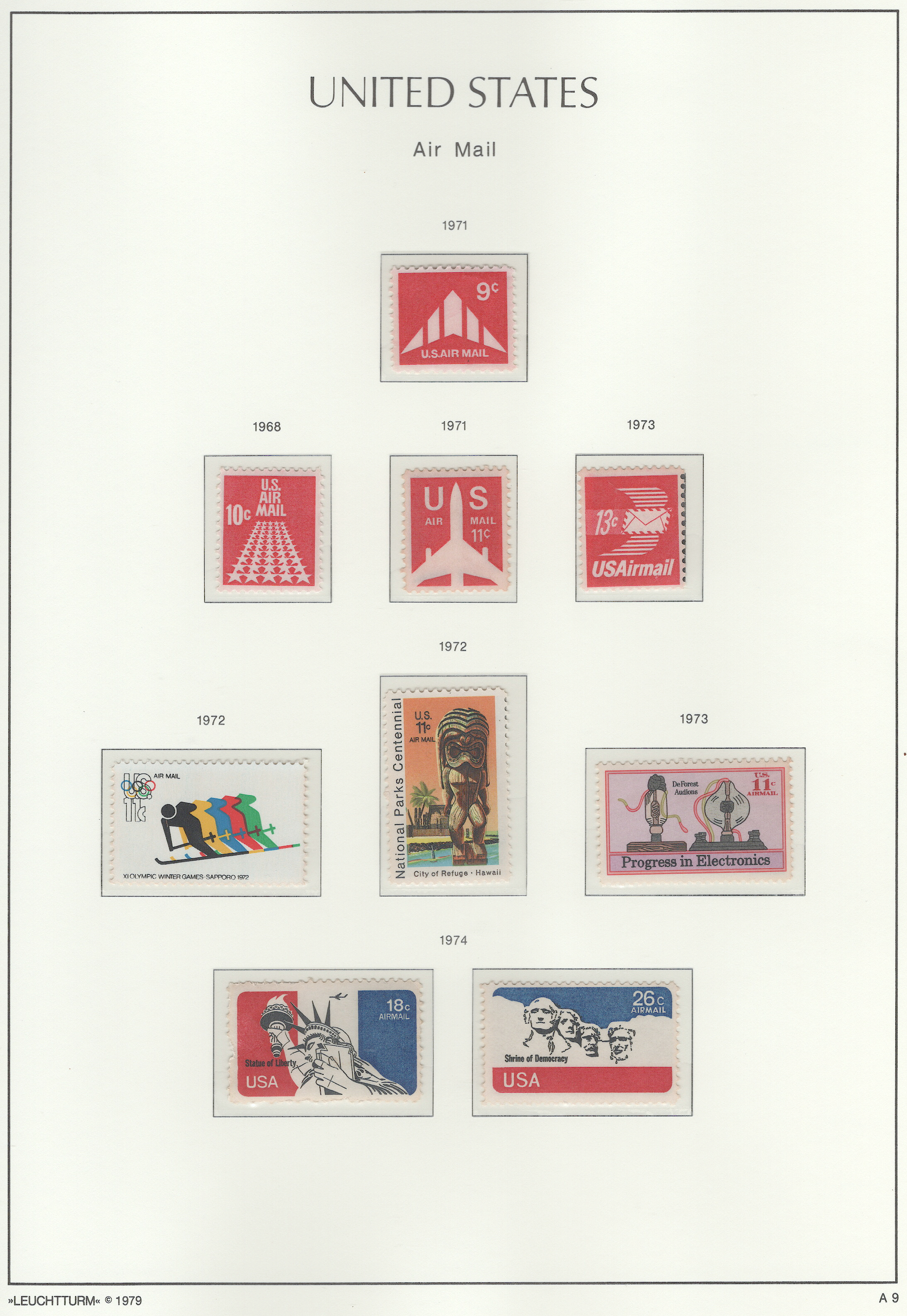
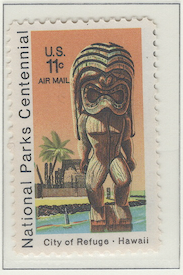
The colorful stamp in the middle of this album page, the one for a national park in Hawaii has an interesting story behind it. It says, City of Refuge, Hawaii. That’s the name given to the site in the late 1970s by the National Park Service. However, it was changed to its original name in 2000: Puʻuhonua o Hōnaunau. I don’t know what that means in the native language. However, I know a little about the purpose of the site.
Before Hawaii became part of the U.S., the City of Refuge – sorry, it’s disconcerting to me to use the true name – was a place where someone who violated the law or code of the tribes, or where a person on the run from a warring tribe could seek refuge. It was a place of sanctuary that no one was allowed take anyone who went there for refuge. A refugee could ask for fogiveness from one of the priests who resided there. If they were absolved by a priest, they could leave and no longer be punished or persecuted.
We often look upon these native cultures as primitive, but in many ways they’re more civilized and charitable – and in this case, forgiving. Another example of this that I’ve observed is the Mississippi Band of the Choctaws, located near Philadelphia, Mississippi. I spent a lot of time there years ago.
The Choctaw live on a reservation, on soverign territory. It owns several business, such as hotels, golf courses, restaurants, and a casino. If a member of the tribe works for one of these businesses and does something wrong (e.g., steals, gets in a fight), they could be fired. However, after six months they’re forgiven and will be rehired. Also, during that six months, they’re still eligible to receive their share of the profits of the tribe’s businesses.
Note
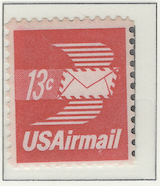
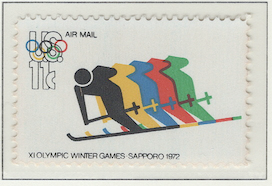
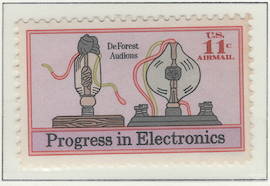
The airmail pages are a little sparse. It’s because the airmail pages aren’t usually put together like this with definitives and commemoratives in the same batch. Instead, since the pages are sold by Leuchtturm in five or ten year batches, there’s sometimes only two pages of airmail stamps for that time frame.
Contains 9 spots: own 9 – 9 unused, 0 used.
Page is finished.
Album or Web Page Last changed May 3, 2025
Stamp Details
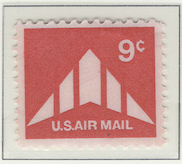
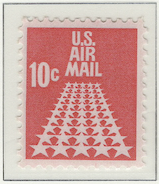
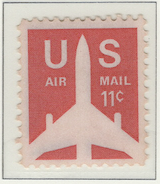
The table below lists information about the stamps shown on this page of Lighthouse’s stamp album. For more details about a particular stamp, click on its description. That will take you to the related web page of Colnect.
spot |
own |
catalog |
subject |
description |
comment |
|---|---|---|---|---|---|
✓ |
C77 |
9c (may 1971) |
|||
✓ |
C72 |
10c (jan 1968) |
|||
✓ |
C78 |
11c (may 1971) |
|||
✓ |
C79 |
13c (nov 1973) |
|||
✓ |
C85 |
11c (aug 1972) |
|||
✓ |
C84 |
11c (may 1972) |
|||
✓ |
C86 |
11c (jul 1973) |
|||
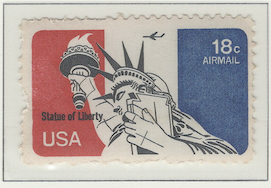
✓ |
C87 |
18c (jan 1974) |
|||
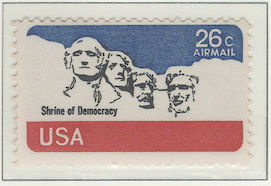
✓ |
C88 |
26c (jan 1974) |
Footnotes
Spot refers to the postion of the stamp on the album page (e.g., 3.2 indicates row 3, position 2).
Amt. is an abbreviation for the face amount of the stamp.
Own indicates the stamp status: ✓ for unused; ✗ for used or canceled; ⭑ signifies I ordered one; ; ✨ indicates it was bought recently; ✠ means an auction bid is pending; and ◎ is used, and it costs too much for unused.
To search by catalog number, go to the search box and enter it in the catalog number box. However, it’s a bit broken; I need to fix it.








