Cacti
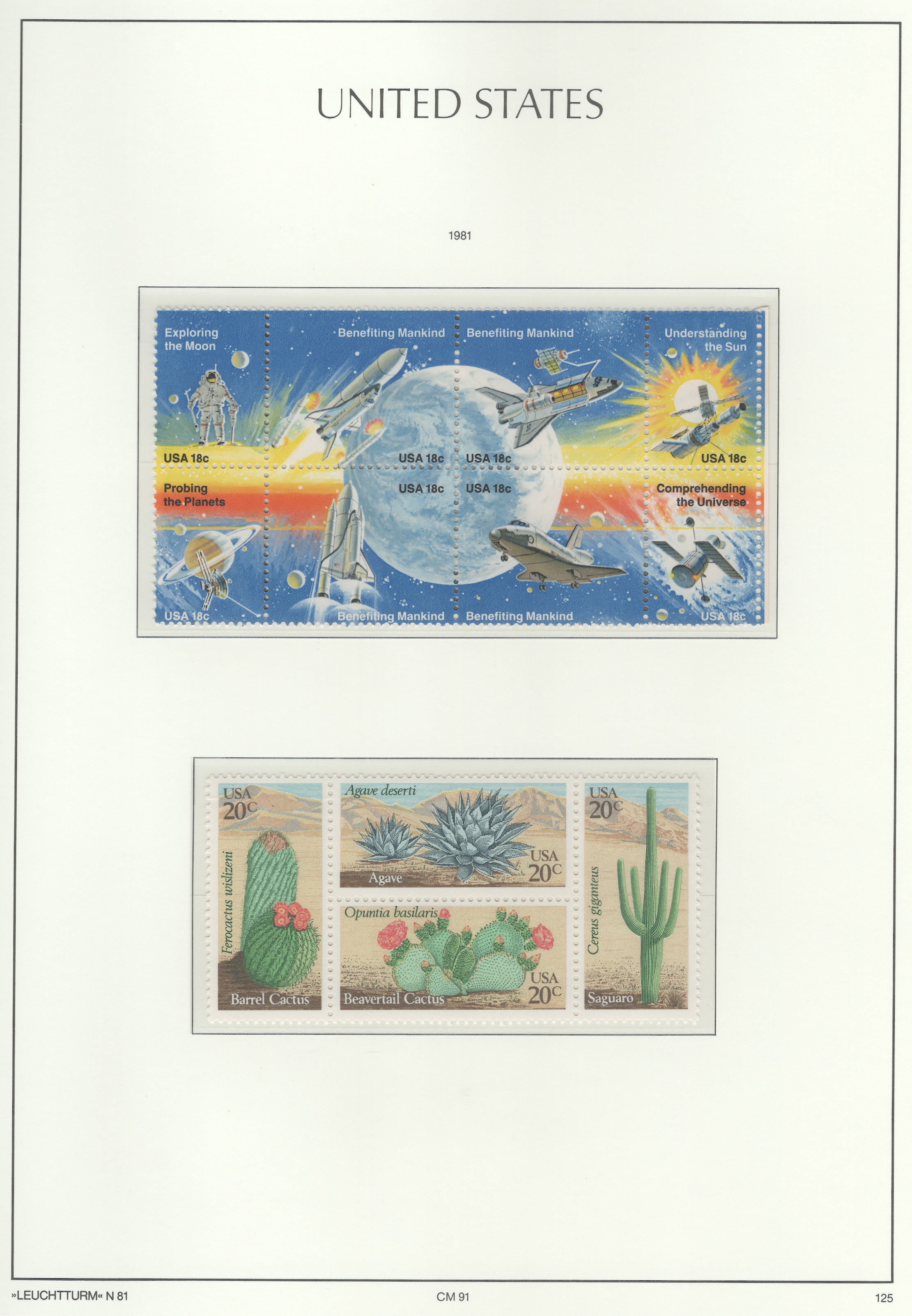
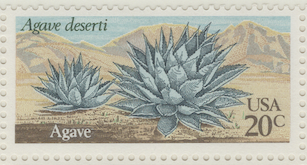
Cactus, or the plural, cacti are a special type of plant that does well in the desert, capturing and conserving water for long periods and able to withstand high temperatures. They have spines to protect themselves and many produce flowers and fruit. Unknownst to most people, cacti are found naturally only in the Americas. There are succulents, like the Agave shown on one of the stamps here, but those are different.
Barrel Cactus
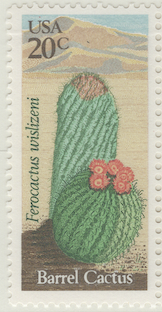
The first cactus stamp on this page shows a Barrel Cactus. They’re found in the Southwestern part of North America. They often grow to over one yard or a meter in height, and they can live for over a hundred years. They produce flowers and fruit that the Native Americas ate, but only when they were desperate – it’s dry and bitter.
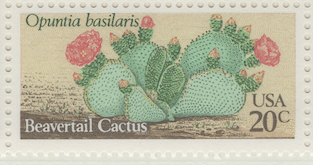
Beaver Tail Cactus
The middle, bottom stamp in this set shows a picture of a Beaver Tail Cactus. They can be found in the Mojave Desert and deserts off of the Colorado River, including in the Grand Canyon. They produce many magenta flowers, as you can see in the stamp. They produce prickly pears, which the Native Americans would eat dried – without the spines. They also used the internal juice and meat of the plant as a salve for healing cuts and minor injuries, although succulents are a better choice.
Saguaro
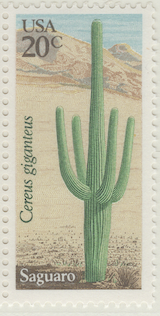
The tallest and most famous cactus is the Saguaro, which grows in Arizona and Northwest Mexico, specifically in the Sonoran Desert. They grow to over forty feet, or twelve meters, and they live to over one-hundred fifty years. They have a distinctive silhouette shape that looks like a person standing because of their branches or arms. They don’t grow arms until they’re at least seventy-five years old. Despite how cartoons depict them, their arms don’t grow down.
Note
As a kid, I had several cactus plants. They were neat looking and I could not water them for a long time – something kids often forget to do – and they would do fine. As an adult, I’ve gotten away from growing cacti, although I will return to them sometimes. They’re like old friends to me – especially given that I had some cacti for over twenty years, mostly during my childhood and college years.
Contains 12 spots: own 12 – 12 unused, 0 used.
Page is finished.
Album or Web Page Last changed May 18, 2025
Stamp Details
The table below lists information about the stamps shown on this page of Lighthouse’s stamp album. For more details about a particular stamp, click on its description. That will take you to the related web page of Colnect.
spot |
own |
catalog |
subject |
description |
comment |
Space Exploration
✓ |
1912 |
18c (may 1981) |
|||
✓ |
1913 |
18c (may 1981) |
|||
✓ |
1914 |
18c (may 1981) |
|||
✓ |
1915 |
18c (may 1981) |
|||
✓ |
1916 |
18c (may 1981) |
|||
✓ |
1917 |
18c (may 1981) |
|||
✓ |
1918 |
18c (may 1981) |
|||
✓ |
1919 |
18c (may 1981) |







Cactus & Succulents
✓ |
1942 |
Barrel Cactus |
20c (dec 1981) |
||
✓ |
1945 |
Saguaro |
20c (dec 1981) |
||
✓ |
1943 |
Agave |
20c (dec 1981) |
||
✓ |
1944 |
Beavertail Cactus |
20c (dec 1981) |
Footnotes
Spot refers to the postion of the stamp on the album page (e.g., 3.2 indicates row 3, position 2).
Amt. is an abbreviation for the face amount of the stamp.
Own indicates the stamp status: ✓ for unused; ✗ for used or canceled; ⭑ signifies I ordered one; ; ✨ indicates it was bought recently; ✠ means an auction bid is pending; and ◎ is used, and it costs too much for unused.
To search by catalog number, go to the search box and enter it in the catalog number box. However, it’s a bit broken; I need to fix it.











