Titus & Galileo
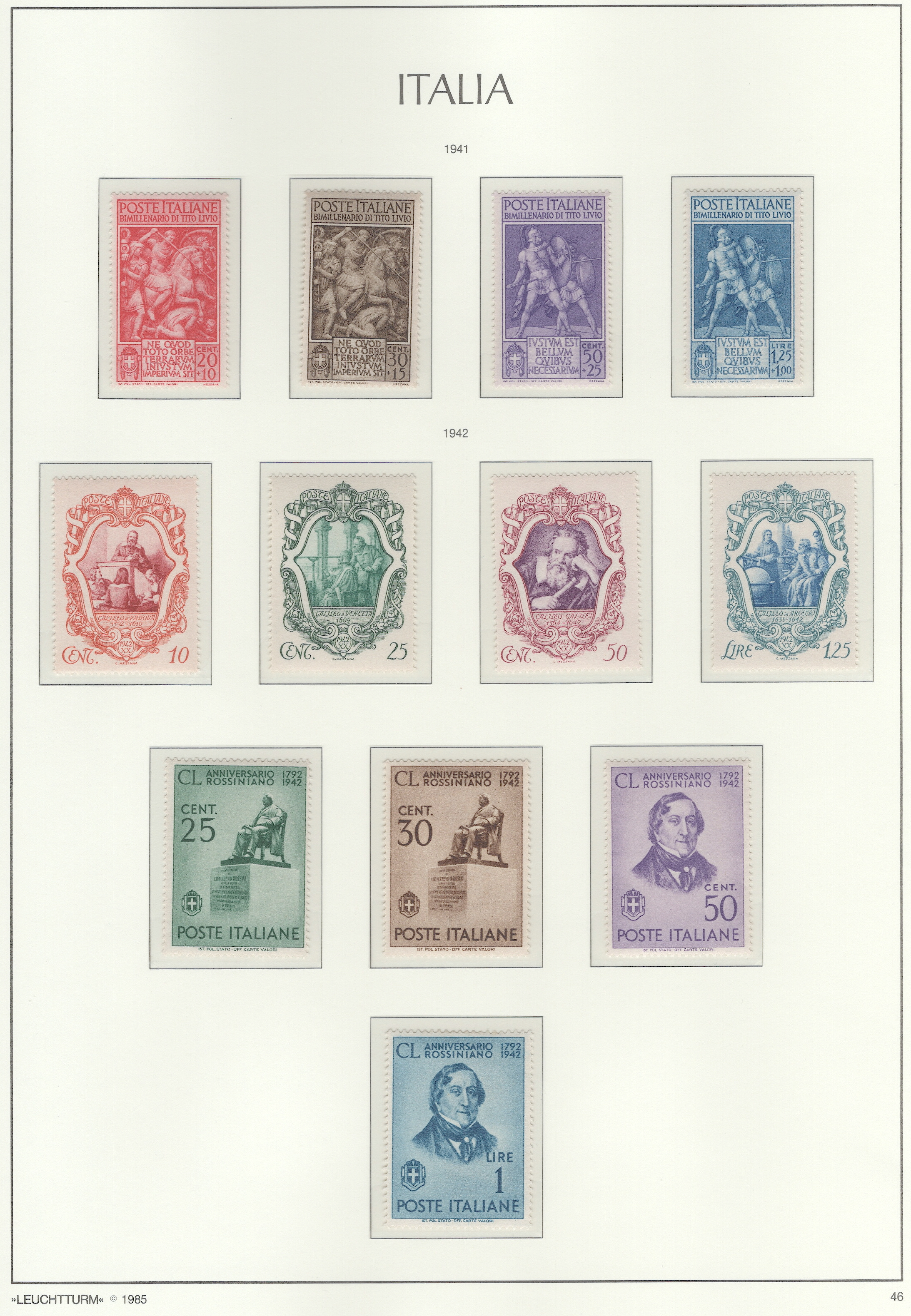
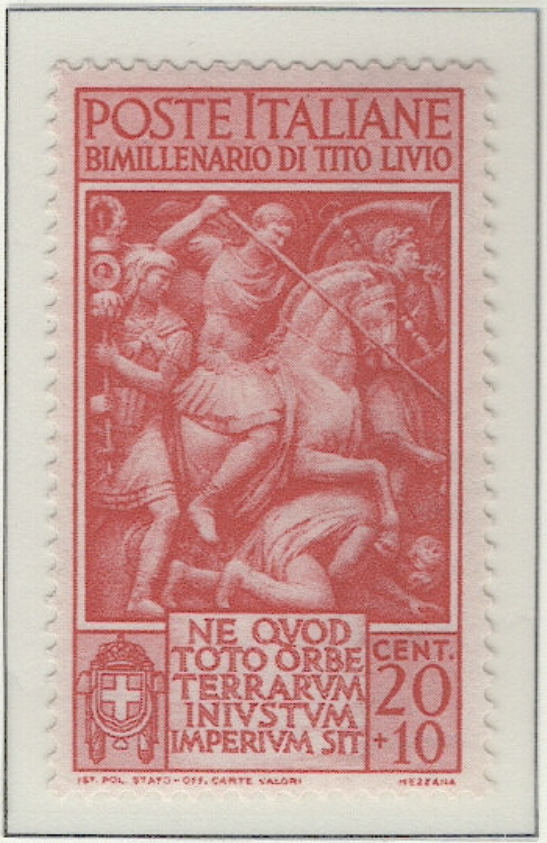
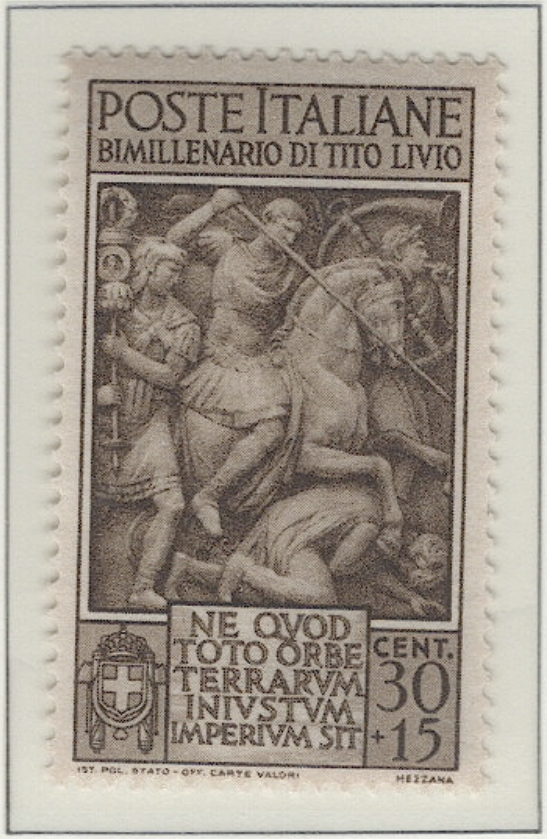
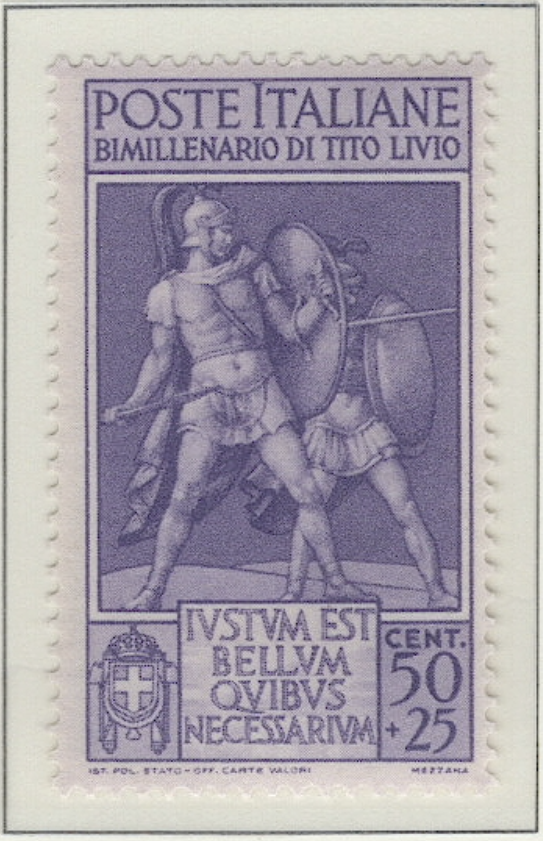
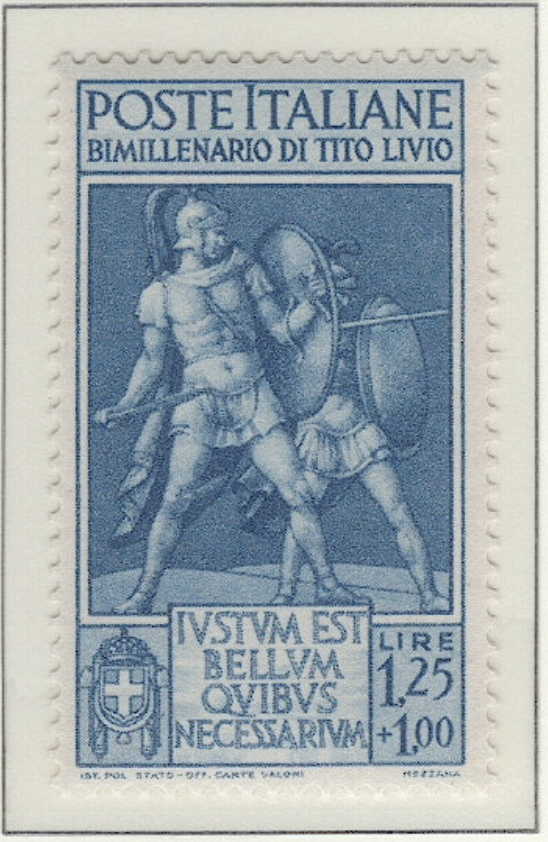
The top row of stamps are in commemoration of the two-thousand year anniversary of Caesar Titus. He ruled the Roman empire for only two years before dying of some sort of simple illness. He was famous for a few things, though.
Before becoming emperor, he ruled over Judea during the early decades of the Christian religion. He successfully suppressed a revolt there and laid siege to Jerusalem. While he was emperor, Mount Vesuvius erupted near Naples, killing thousands. He organized and donated excessively to aiding the survivors in the area. At one point, there was a major fire in Rome. He was instrumental in administering to the rebuilding of the city, including personal donations. He also oversaw the completion of the famous Colloseum in Rome, along with many other pubic works.
If you’ve been to the Colloseum, you probably noticed a large marble arch at the entrance to the Roman Forum near by. That’s the Arch of Titus, built about a year after his death by his brother who succeeded as emperor. I haven’t been able to verify it yet, but I think the images on these stamps are taken from reliefs on that arch which present scenes from his reign.
300-Year Anniversary of Galileo
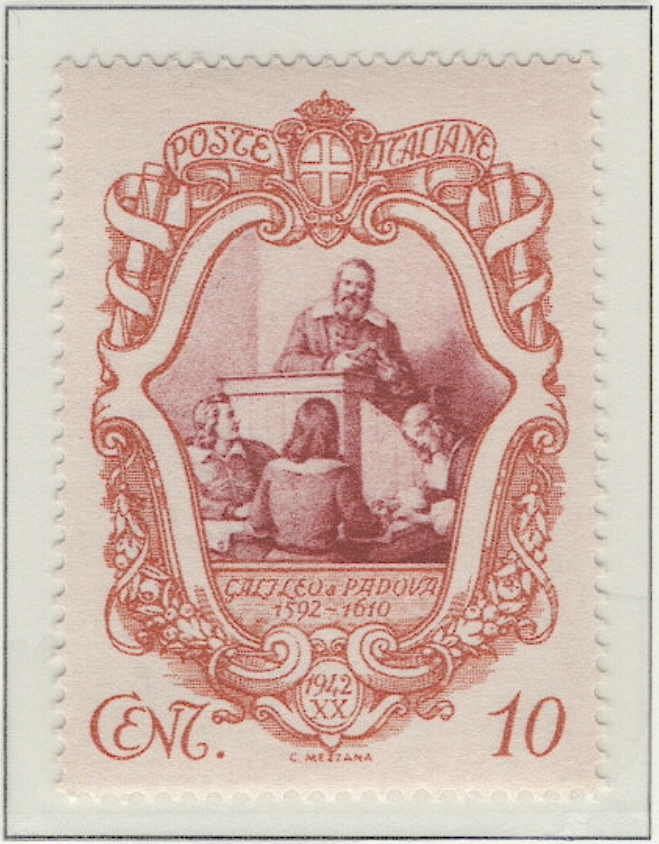
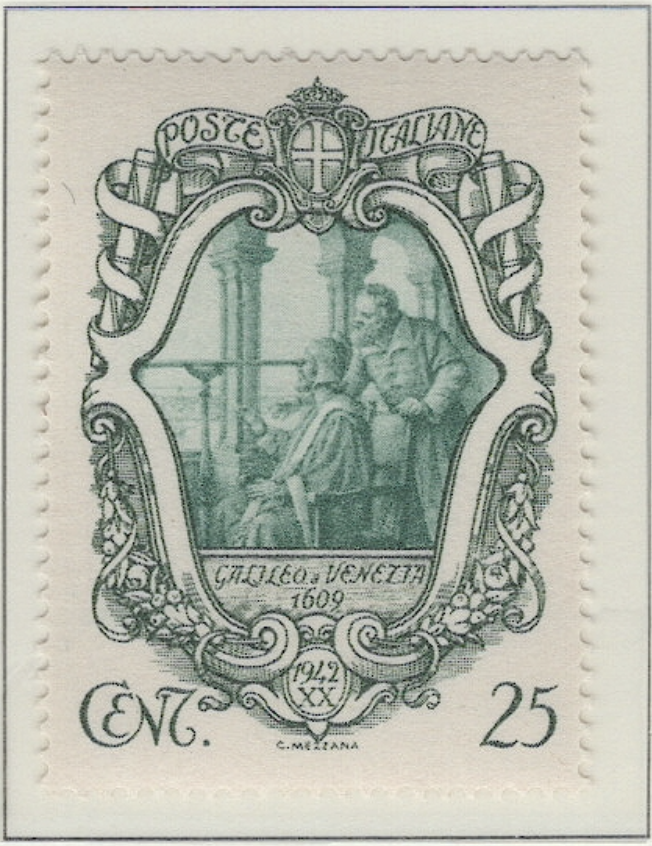
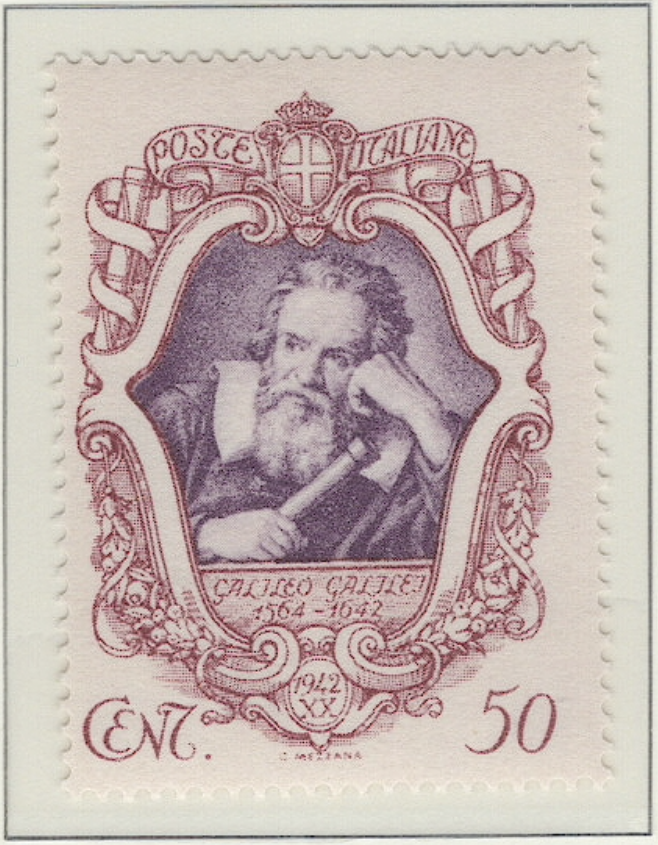
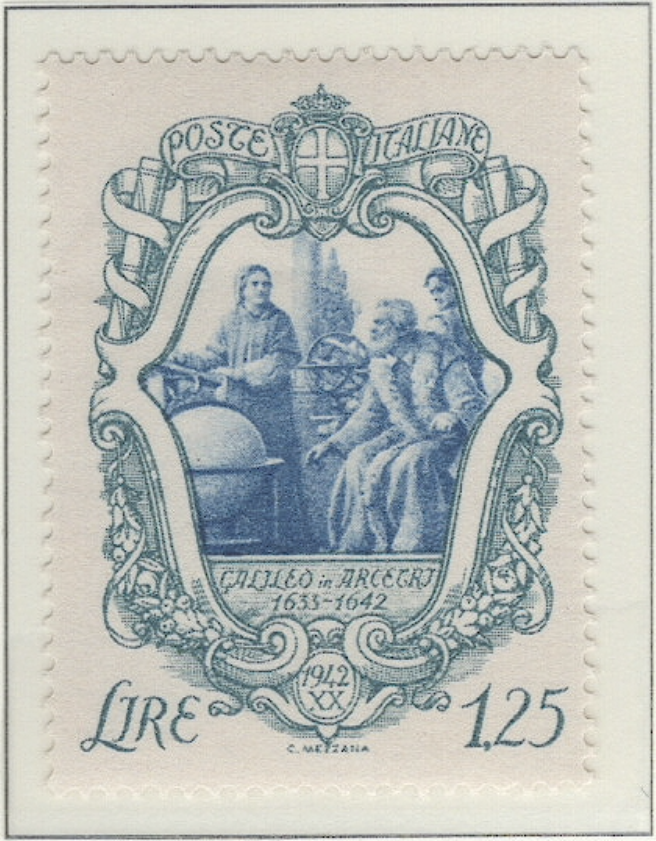
The second row of stamps commemorate the life of Galileo Galilei from Pisa. He was an early astronomer and physicist. He was famous for the development of the telescope. The first stamp on that row shows him teaching at the University of Padua. The second one shows him demonstrating his more advanced and magnified terrestrial telescopes to the Duke of Venice. The third one shows him with one of his telescopes and lists the years he lived: 1564 to 1642. The last stamps shows him in his old age with two of his children, living in Arcetri, a small town near Florence. It lists the years he was there: 1633 to 1642.
150-Year Anniversary of Rossini
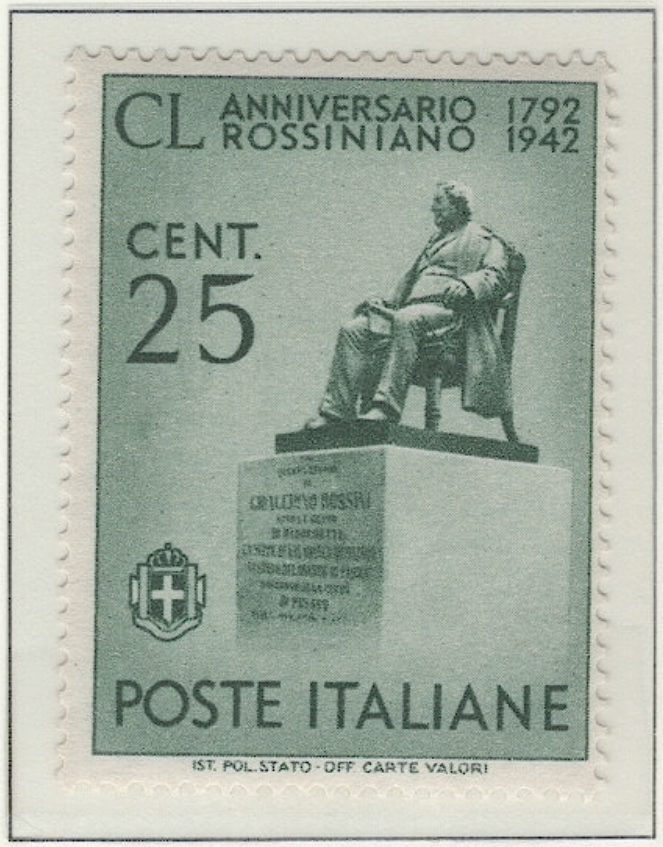
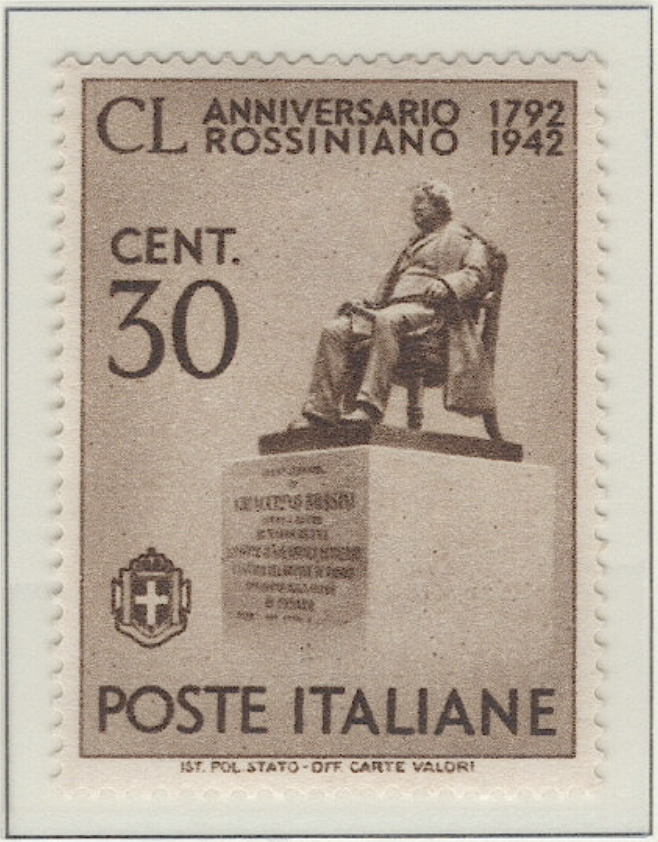
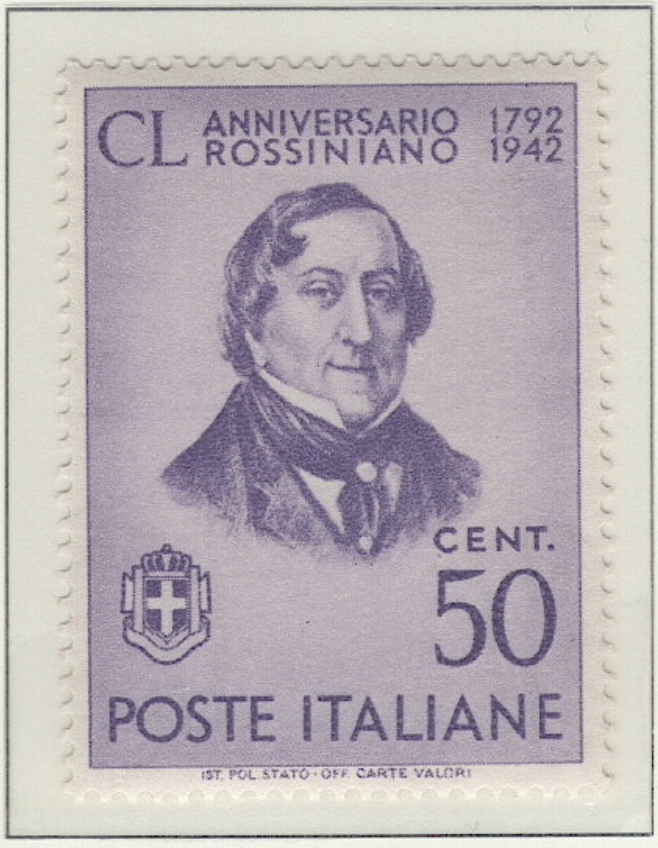
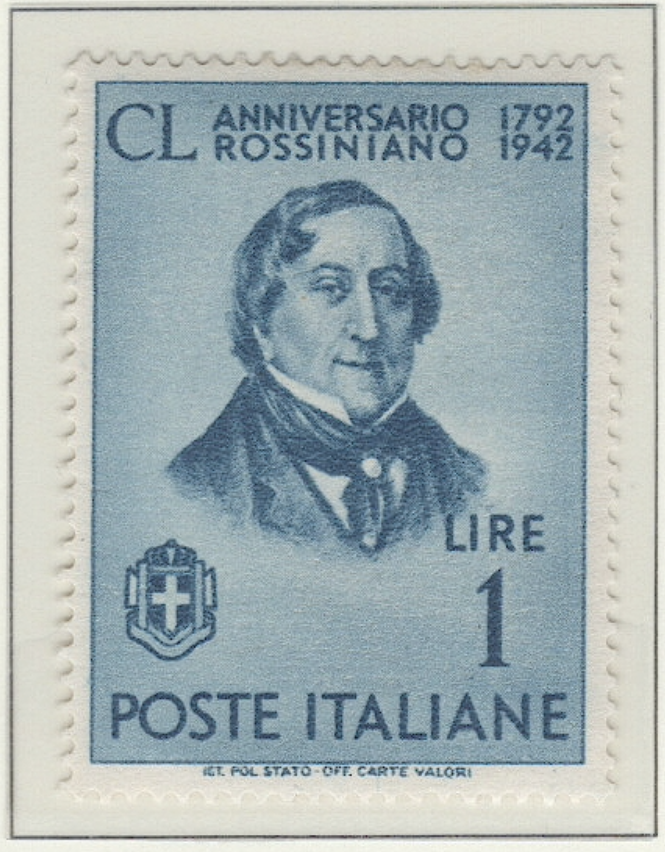
The last set of stamps commemorate the one-hundred fiftieth anniversary of the birth of Gioachino Rossini and depict a statue of him and an image of him in his later years – he died in his early seventies. He was born in Pesaro, which was located in the Papal States. He was a prolific Italian composer of classical music and operas. He wrote about three dozen operas, including The Barber of Seville.
Note
When I was young, I had one of the stamps of Galileo, the third one. I think it was on an envelop containing a letter from my cousins in Sicily that my mother received. I thought it look so neat – the stamp design and getting a letter from Italy. In part, that stamp led to me collecting Italian stamps – that and my family coming from Italy.
Contains 12 spots: own 12 – 12 unused, 0 used.
Page is finished.
Album or Web Page Last changed Oct 28, 2022
Stamp Details
The table below lists information about the stamps shown on this page of Lighthouse’s stamp album. For more details about a particular stamp, click on its description. That will take you to the related web page of Colnect.
spot |
own |
catalog |
subject |
description |
comment |
Titus: Semi-Postal
✓ |
458 |
Titus Livius in Battle |
20+10c (dec 1941) |
||
✓ |
459 |
Titus Livius in Battle |
30+15c (dec 1941) |
||
✓ |
460 |
Titus Livius Fighting |
50+25c (dec 1941) |
||
✓ |
461 |
Titus Livius Fighting |
1.25+1₤ (dec 1941) |
3rd Centenary of Galileo
✓ |
462 |
10c (sep 1942) |
|||
✓ |
463 |
25c (sep 1942) |
|||
✓ |
464 |
50c (sep 1942) |
|||
✓ |
465 |
1.25₤ (sep 1942) |
Musical Composers & Performers
✓ |
466 |
25c (nov 1942) |
|||
✓ |
467 |
30c (nov 1942) |
|||
✓ |
468 |
50c (nov 1942) |
|||
✓ |
469 |
1₤ (nov 1942) |
Footnotes
Spot refers to the postion of the stamp on the album page (e.g., 3.2 indicates row 3, position 2).
Amt. is an abbreviation for the face amount of the stamp.
Own indicates the stamp status: ✓ for unused; ✗ for used or canceled; ⭑ signifies I ordered one; ; ✨ indicates it was bought recently; ✠ means an auction bid is pending; and ◎ is used, and it costs too much for unused.
To search by catalog number, go to the search box and enter it in the catalog number box. However, it’s a bit broken; I need to fix it.











