Maryland Flag
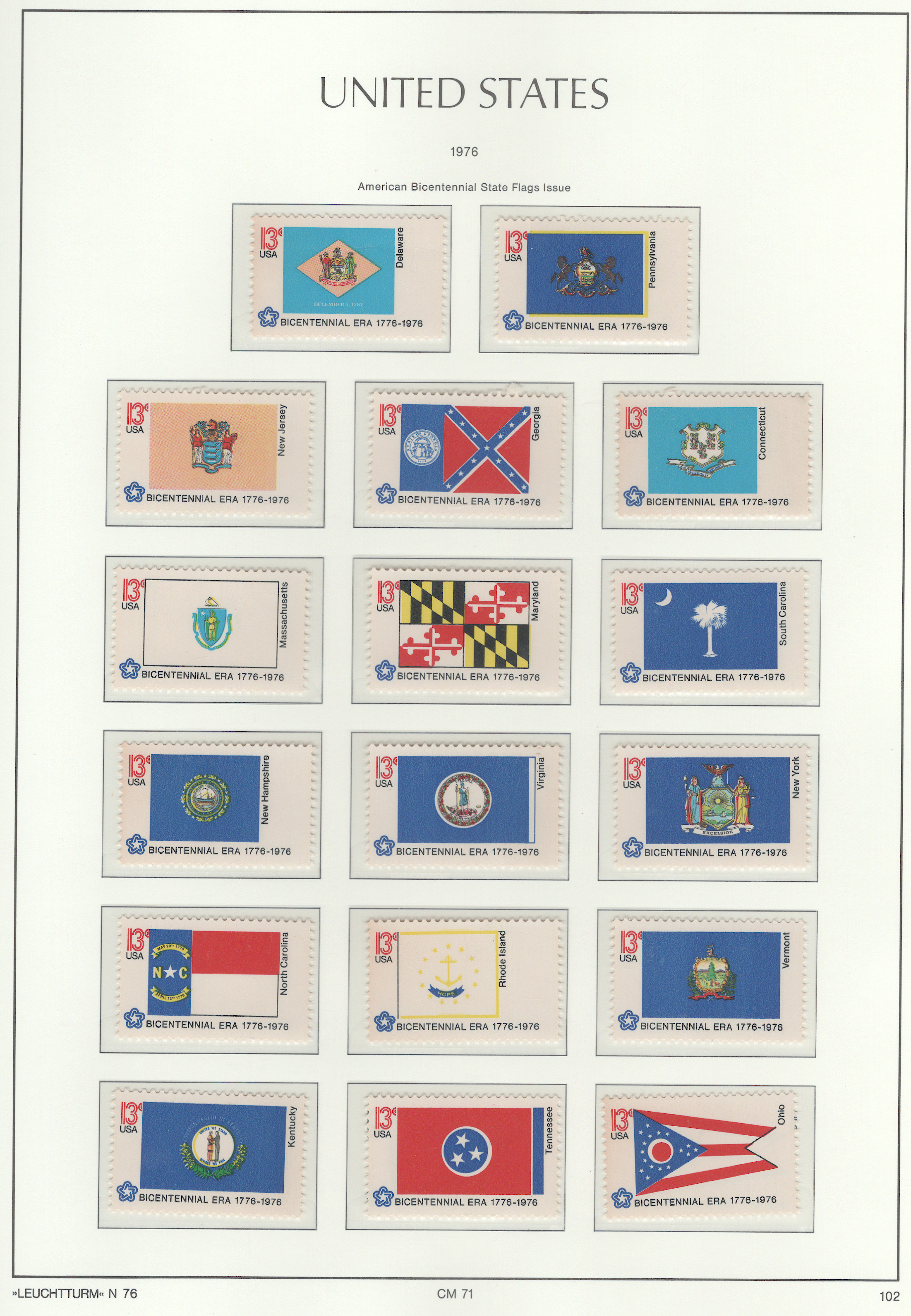
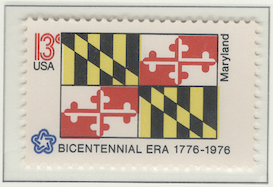
For designing a flag, the North American Vexillological Association recommends a booklet by Ted Kaye called, Good Flag, Bad Flag. Consider the Maryland state flag, the one in the middle of the third row on this page, in relation to his five basic principles for a good flag:
Keep It SimpleMaryland’s flag isn’t simple enough for a child to draw, but it uses wide strokes, a large repeating pattern. It’s recognizable from afar – which is important when in battle and other situations.Use Meaningful SymbolismMaryland’s flag is taken from the coat of arms of the founder of the Marland colony, Cecil Calvert, Second Baron Baltimore. These elements could be made simpler, but they it would lose some of its connection to the founder.Use a Few Basic ColorsIf you count the white background, there are four colors on the Maryland flag. But there’s not so much it feels looks cluttered or overly flashy. The colors contrast well and are distinct.No Lettering or SealsA flag isn’t a sign. You shouldn’t have to hold it straight to read it to know what it represents. When it’s on a pole with no wind, you should easily be able to identify it. You can do that with the Maryland flag.Be Distinctive or Be RelatedMaryland’s flag is distinct of all the state flags, and it’s not like the flags of Europe. It’s a unique design and look.

Based on Kaye’s principles, and in my opinion, Maryland has the best state flag.
Note
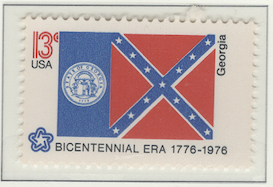
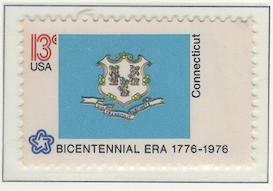
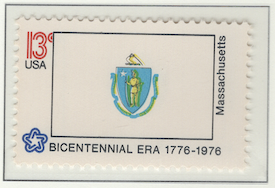
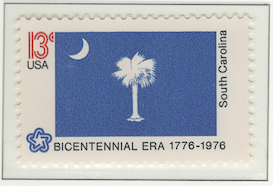
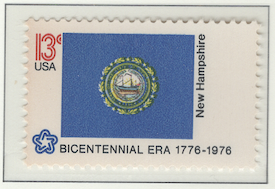
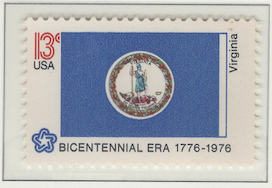
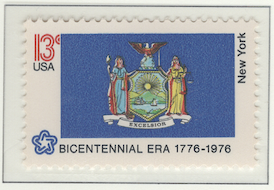
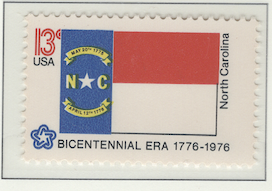
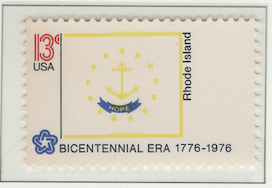
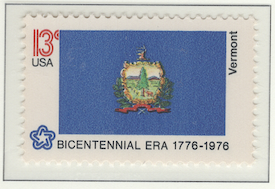
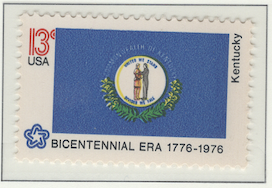
The stamps on this album page and the next two were sold on one sheet of fifty stamps. Although I didn’t have much money – I was teenager then – I bought these stamps from the post office. I was told that they were more valuable together than apart. So I kept them in a large glassine envelope, and in the back of a stamp stock book.
About two years later, when I wasn’t watching, my cousin Mark – who’s a musician and not a collector – was looking at the sheet of stamps and without thinking started removing the trim, the selvage. Plate blocks or a sheets are more valuable with the selvage. When I realized what he was doing, I yelled for him to stop. I was so angry with him. He had removed a large portion.
Forty years later, about two years ago, I moved all of my U.S. stamps into Leuchtturm album pages. The pages for these state flags has them separated, as you see here. I think they look better like this. Mark is finally forgiven.
Contains 17 spots: own 17 – 17 unused, 0 used.
Page is finished.
Album or Web Page Last changed May 5, 2025
Stamp Details
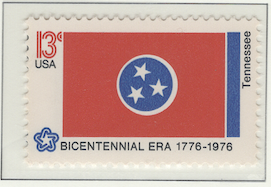
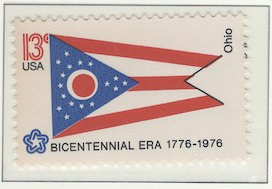
The table below lists information about the stamps shown on this page of Lighthouse’s stamp album. For more details about a particular stamp, click on its description. That will take you to the related web page of Colnect.
spot |
own |
catalog |
subject |
description |
comment |
Flag Series
✓ |
1633 |
13c (feb 1976) |
|||
✓ |
1634 |
13c (feb 1976) |
|||
✓ |
1635 |
13c (feb 1976) |
|||
✓ |
1636 |
13c (feb 1976) |
|||
✓ |
1637 |
13c (feb 1976) |
|||
✓ |
1638 |
13c (feb 1976) |
|||
✓ |
1639 |
13c (feb 1976) |
|||
✓ |
1640 |
13c (feb 1976) |
|||
✓ |
1641 |
13c (feb 1976) |
|||
✓ |
1642 |
13c (feb 1976) |
|||
✓ |
1643 |
13c (feb 1976) |
|||
✓ |
1644 |
13c (feb 1976) |
|||
✓ |
1645 |
13c (feb 1976) |
|||
✓ |
1646 |
13c (feb 1976) |
|||
✓ |
1647 |
13c (feb 1976) |
|||
✓ |
1648 |
13c (feb 1976) |
|||
✓ |
1649 |
13c (feb 1976) |
Footnotes
Spot refers to the postion of the stamp on the album page (e.g., 3.2 indicates row 3, position 2).
Amt. is an abbreviation for the face amount of the stamp.
Own indicates the stamp status: ✓ for unused; ✗ for used or canceled; ⭑ signifies I ordered one; ; ✨ indicates it was bought recently; ✠ means an auction bid is pending; and ◎ is used, and it costs too much for unused.
To search by catalog number, go to the search box and enter it in the catalog number box. However, it’s a bit broken; I need to fix it.
















