Security Council
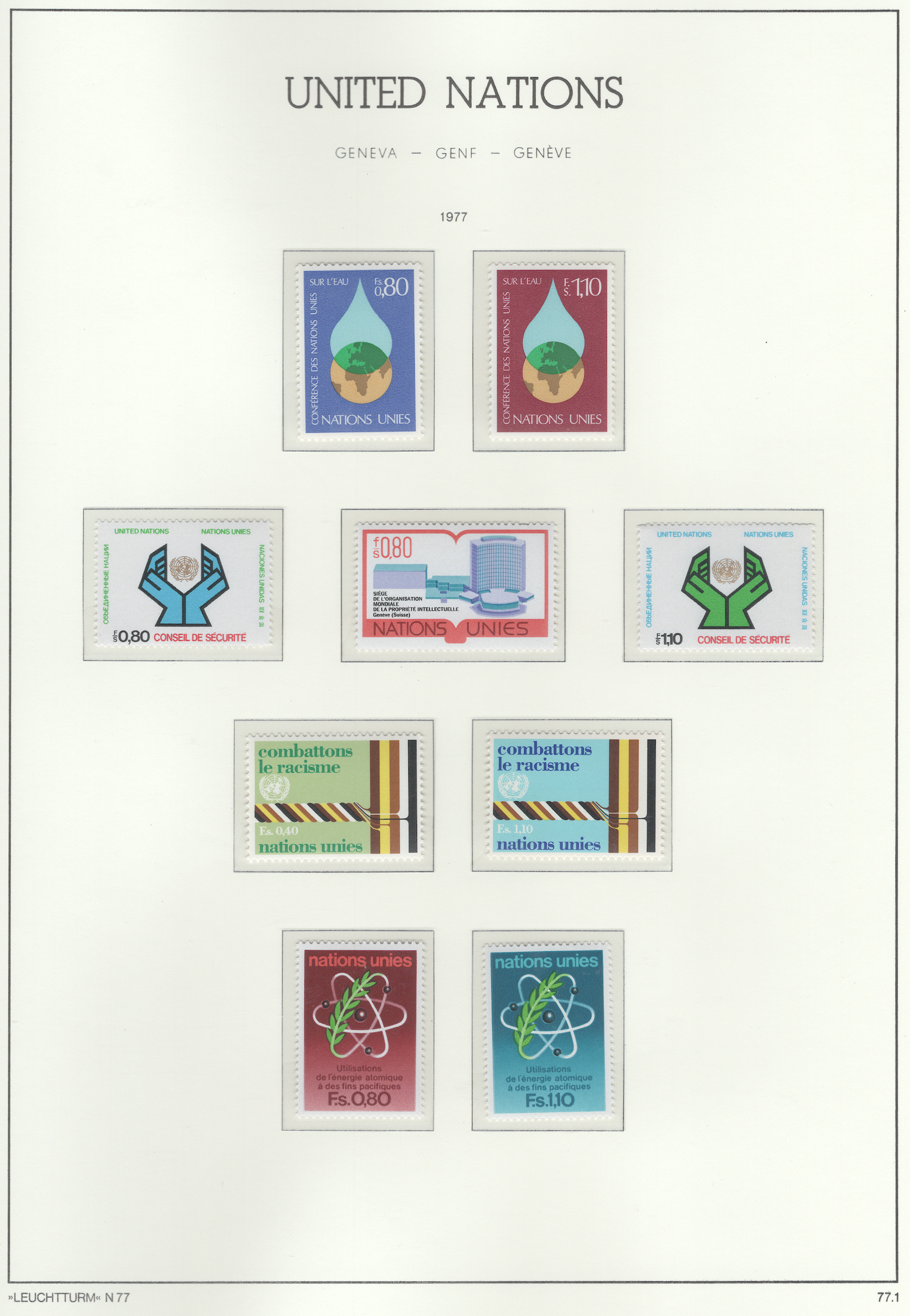
The U.N. Security Council is primarily responsible for keeping peace and security throughout the world. For this, they may impose sanctions on countries, deploy peace keeping troops to troubled areas, and even authorize military action (i.e., peace making) against countries and other organizations.
The Security Council is tasked with recommending new countries to membership in the U.N. They must approve any changes to the U.N. Charter. And they nominate each new Secretary General of the U.N.
These responsibilities and powers put them in a very controling position at the U.N. The council is composed of fifteen members, of which five are permanent members: China, France, Russia, the United Kingdom, and the United States. These five countries were basically the victors of World War II, after which the U.N. was founded – and founded primarily by them. The other members are temporary and there’s a rotation.
The permanent members each have veto authority over any council resolutions. In part, their membership to the council and their veto power was necessary to get these key countries to join. This was critical given then President Woodrow Wilson couldn’t even get the U.S. to join the U.N.’s precedessor, the League of Nations – which was formed after World War I.
The veto power has often been an obstacle to progress. It would work if only countries would recuse themselves on matters directly affecting them. For instance, if the Security Council wants to condemn one of the permanent members, that country should not vote or veto. But they always do, rather than accept the condemnation of their peers – rather than admit they did anything wrong.
Note
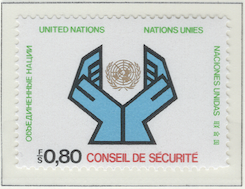
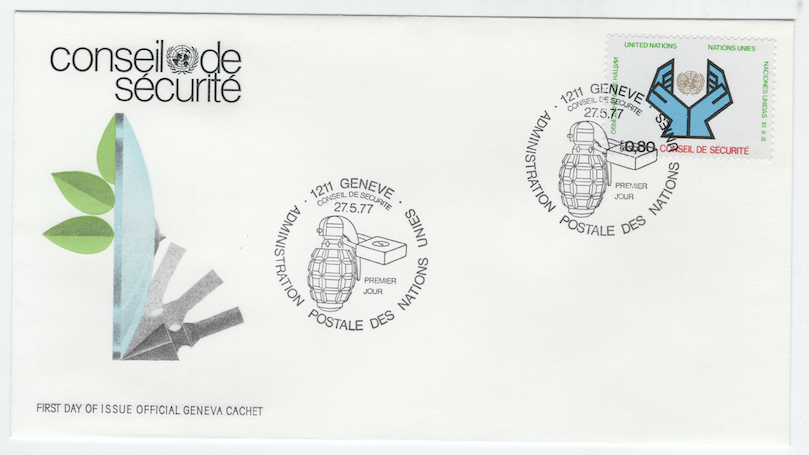
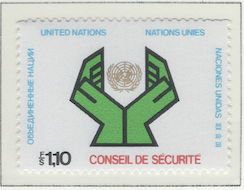
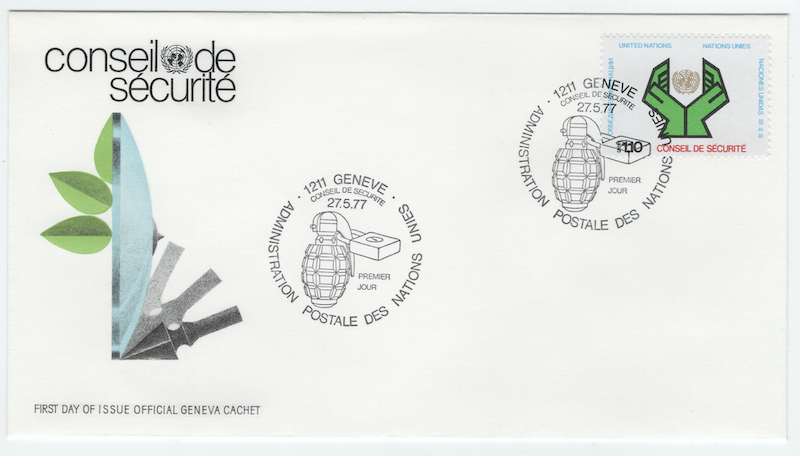
The two outer stamps on the second row are related to the U.N. Security Council. They show a pair of hands enveloping the U.N. logo, which is also a map of the world. It’s probably meant to symbolize how the role of the Security Council is to protect the world. I see it more as how they’re trying to control and limit the world – because of the overuse of the veto power by the permanent members.
Contains 9 spots: own 9 – 9 unused, 0 used.
Page is finished.
Album or Web Page Last changed Jun 11, 2025
Stamp Details
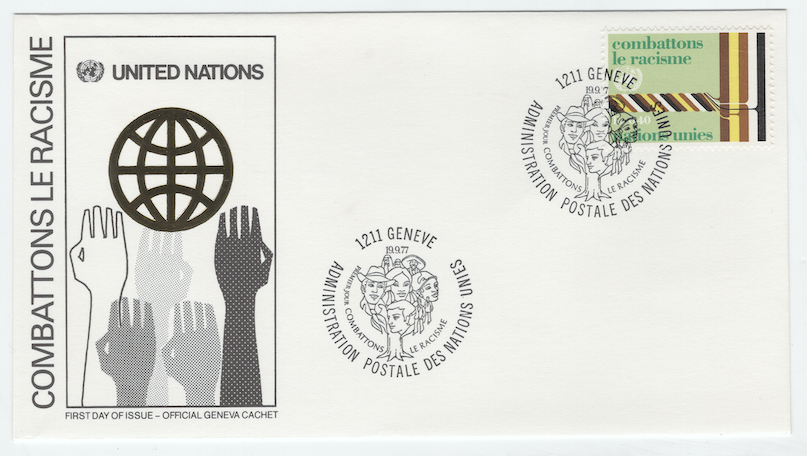
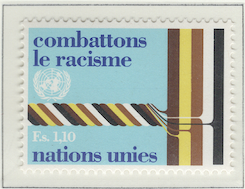
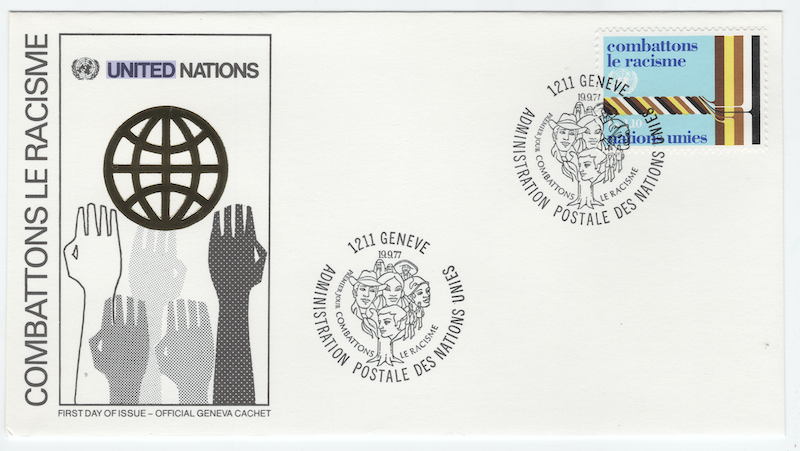
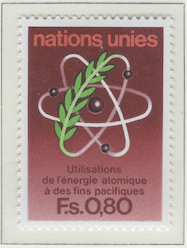
The table below lists information about the stamps shown on this page of Lighthouse’s stamp album. For more details about a particular stamp, click on its description. That will take you to the related web page of Colnect.
spot |
own |
catalog |
subject |
description |
comment |
|---|---|---|---|---|---|
✓ |
65 |
0.80 (apr 1977) |
|||
✓ |
66 |
1.10 (apr 1977) |
|||
✓ |
67 |
0.80 (may 1977) |
|||
✓ |
64 |
0.80 (mar 1977) |
|||
✓ |
68 |
1.10 (may 1977) |
|||
✓ |
69 |
0.40 (sep 1977) |
|||
✓ |
70 |
1.10 (sep 1977) |
|||
✓ |
71 |
0.80 (nov 1977) |
|||
✓ |
72 |
1.10 (nov 1977) |
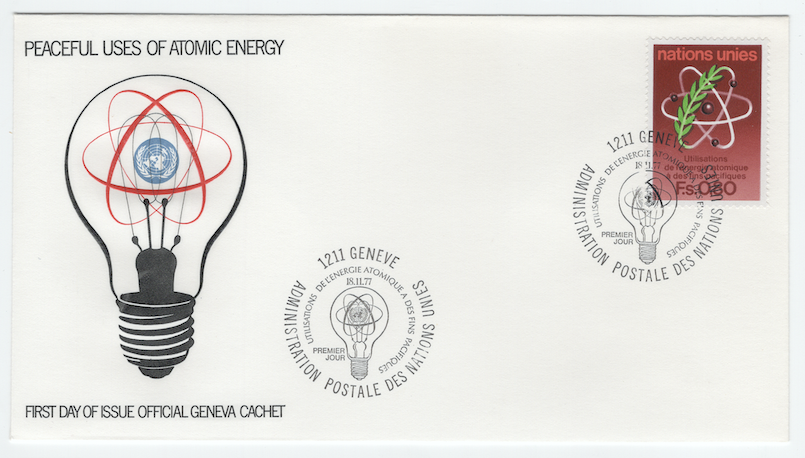
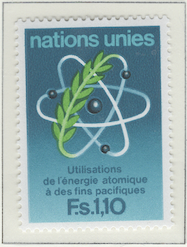
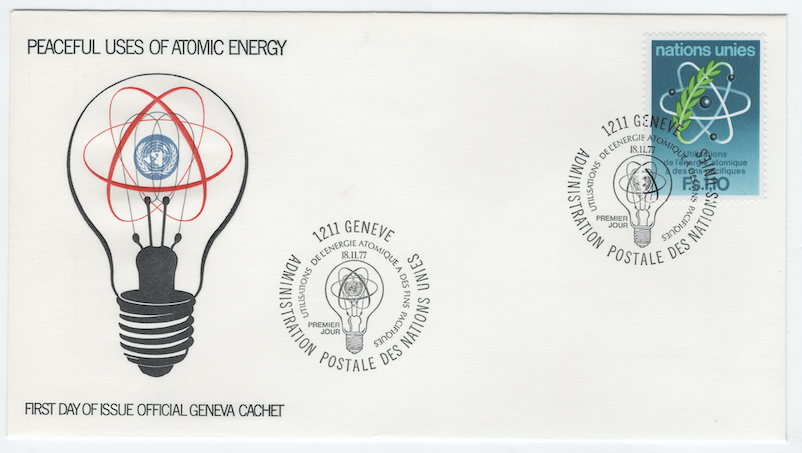
Footnotes
Spot refers to the postion of the stamp on the album page (e.g., 3.2 indicates row 3, position 2).
Amt. is an abbreviation for the face amount of the stamp.
Own indicates the stamp status: ✓ for unused; ✗ for used or canceled; ⭑ signifies I ordered one; ; ✨ indicates it was bought recently; ✠ means an auction bid is pending; and ◎ is used, and it costs too much for unused.
To search by catalog number, go to the search box and enter it in the catalog number box. However, it’s a bit broken; I need to fix it.

















