Siege of Yorktown
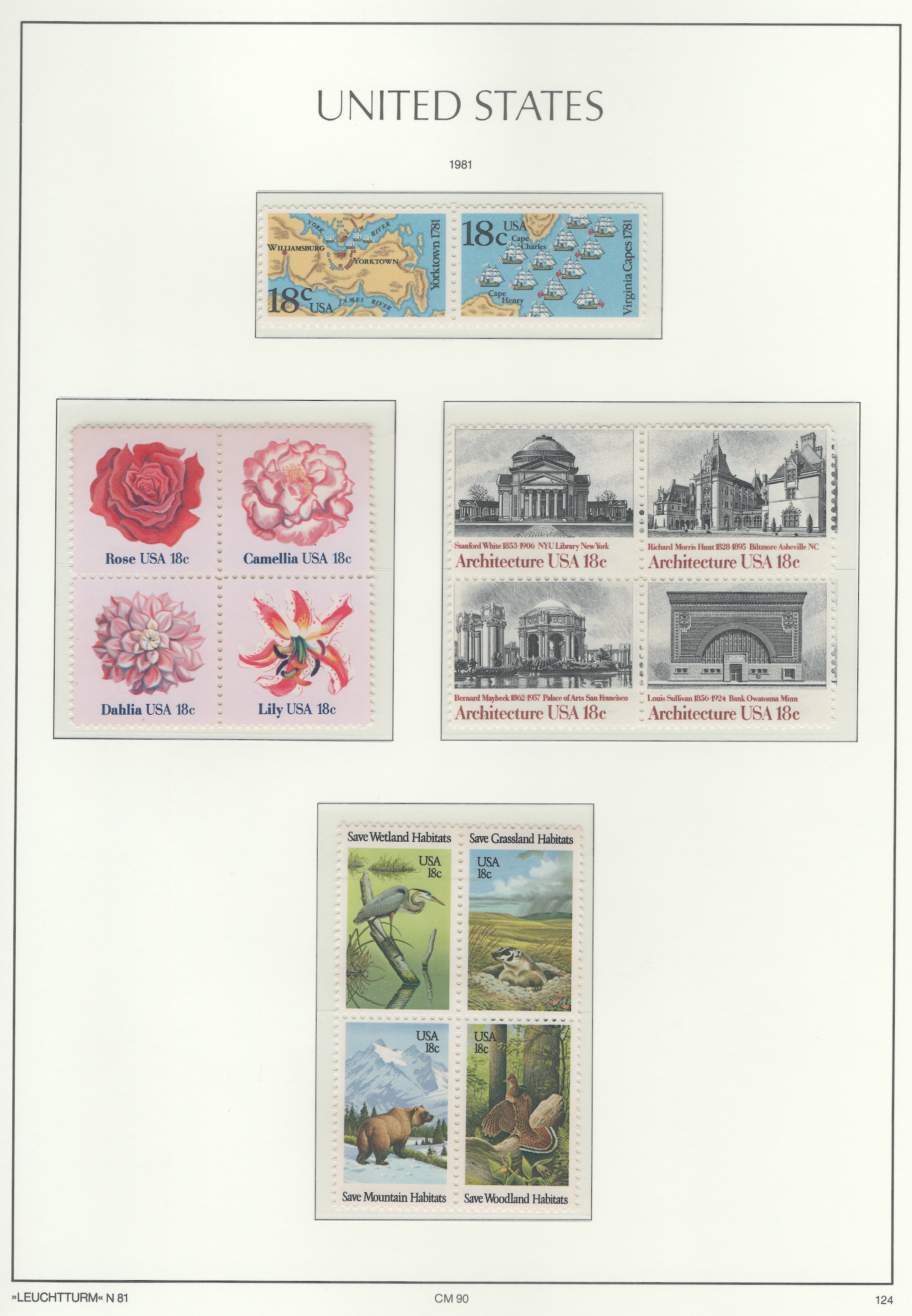
In late Summer 1781, the British General, Charles Cornwallis, who commanded the bulk of British troops, moved them to Yorktown, Virginia along the Atlantic coast. He intended to get reinforcements and supplies from British ships coming to the port, and then engage the Continental Army who he believed were nearby. However, he arrived too early.
Marquis de Layfette, who was part of Continental Army, arrived with 1200 colonial troops. Shorly afterwards, Alexander Hamilton with another few hundred soldiers. The two closed in on Cornwallis and his soldiers, surrounding Yorktown – with them pushed against the sea.
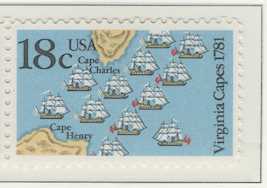
Unknownst to Cornwallis, Lafayette was able to get twenty-nine French ships to navigate to Yorktown before the British navy could arrive and disembark thousands of French soldiers. When the British Royal Navy approached, the French ships fought them around the islands off the coast of Yorktown in what’s become known as the Battle of the Chesapeake or the Battle of the Virginia Capes. The French were successfull in keeping out the British ships with their reinforcements – and prevented them from evacuating British troops.
With Cornwallis’ troops contained, in September Washington arrived with thousands more troops for the Siege of Yorktown. There were about nine thousand American troops in addition to the eleven thousand French soldiers – plus, the ships provided artillery fire. On the other side, there were five thousand British and three thousand German mercenaries. The siege lasted three weeks before Cornwallis surrendered (see Yorktown Surrender).
This event and the subsequent surrender was significant. First, the British lost two major battles – one on land and the other at sea. Second, thousands of British and Hessian troops surrendered, giving up many weapons and ammunition – basically, their stronghold in the colonies. What’s most significant was that it showed England that the Continental Army had become well trained and grown in size and resources, and that they now had meaningful support from France. To continue to pursue this war, England would have had to send many thousand more troops and dozens of ships with loads of supplies to have any effect, which might have been met with more support from France and other countries. The British government realized after Yorktown that they were not going to win and trying any further would be costly in many ways.
Note
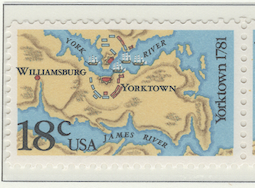
The pair of stamps at the top of this album page show the Siege of Yorktown. The first is a map of the Virginia coast and Yorktown, as well as the York river leading to the ocean, where British and colonial troops fought in 1781. The other stamp shows Cape of Charles and Cape of Henry, both with their islands in the Chesapeake Bay by the Atlantic Ocean where the French ships fought and blocked the British from approaching Yorktown.
Contains 14 spots: own 14 – 14 unused, 0 used.
Page is finished.
Album or Web Page Last changed May 18, 2025
Stamp Details
The table below lists information about the stamps shown on this page of Lighthouse’s stamp album. For more details about a particular stamp, click on its description. That will take you to the related web page of Colnect.
spot |
own |
catalog |
subject |
description |
comment |
Battles & Wars
✓ |
1937 |
18c (oct 1981) |
|||
✓ |
1938 |
18c (oct 1981) |
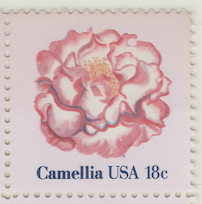
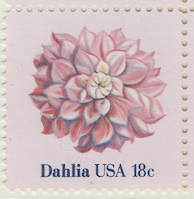
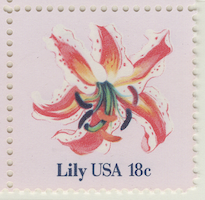
Flowers & Blossoms
✓ |
1876 |
18c (apr 1981) |
|||
✓ |
1877 |
18c (apr 1981) |
|||
✓ |
1878 |
18c (apr 1981) |
|||
✓ |
1879 |
18c (apr 1981) |
Architects & Architecture
✓ |
1928 |
New York University Library |
18c (aug 1981) |
||
✓ |
1929 |
Biltmore House |
18c (aug 1981) |
||
✓ |
1930 |
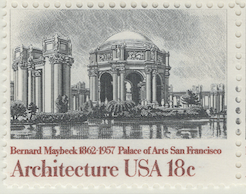
Palace of the Arts |
18c (aug 1981) |
||
✓ |
1931 |
National Farmer’s Bank |
18c (aug 1981) |


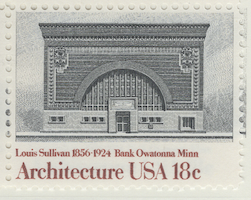
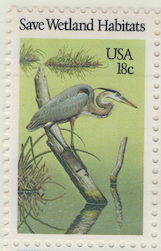
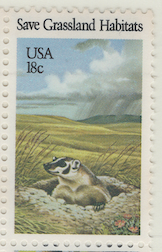
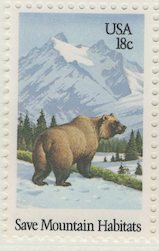
Environment & Pollution
✓ |
1921 |
Great Blue Heron |
18c (jun 1981) |
||
✓ |
1922 |
18c (jun 1981) |
|||
✓ |
1923 |
18c (jun 1981) |
|||
✓ |
1924 |
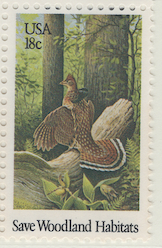
Ruffed Grouse |
18c (jun 1981) |
Footnotes
Spot refers to the postion of the stamp on the album page (e.g., 3.2 indicates row 3, position 2).
Amt. is an abbreviation for the face amount of the stamp.
Own indicates the stamp status: ✓ for unused; ✗ for used or canceled; ⭑ signifies I ordered one; ; ✨ indicates it was bought recently; ✠ means an auction bid is pending; and ◎ is used, and it costs too much for unused.
To search by catalog number, go to the search box and enter it in the catalog number box. However, it’s a bit broken; I need to fix it.













