Pope Piux XII
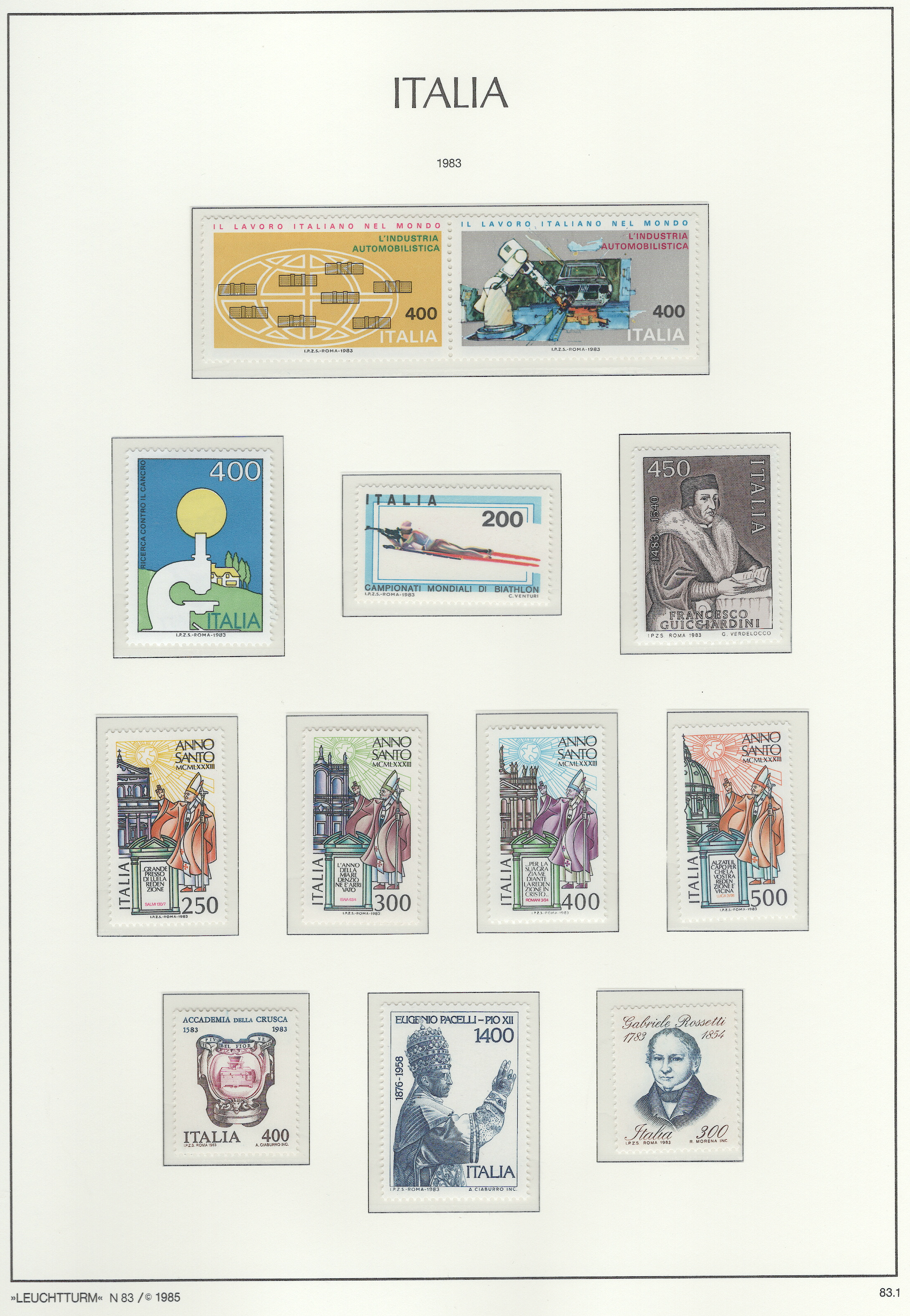
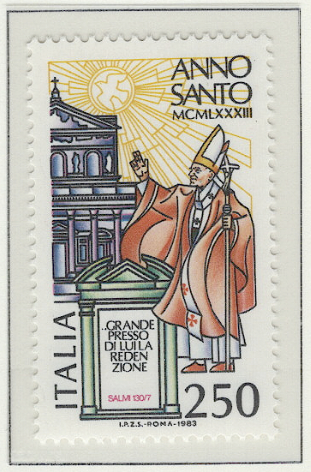
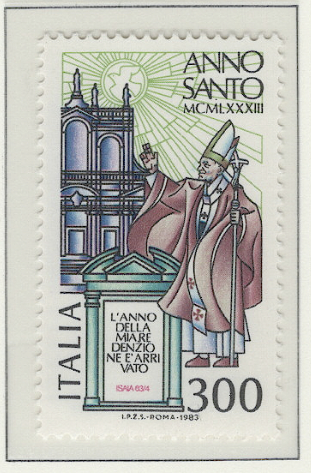
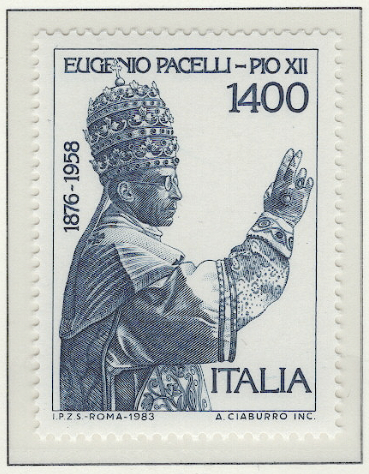
Pope Pius XII was born Eugenio Pacelli in Rome on March 2, 1876. He worked in the Vatican’s Congregation for Extraordinary Ecclesiastical Affairs, becoming its secretary in 1914. He then served as nuncio (a papal ambassador) to Bavaria from 1917 and to Germany from 1920. He was made a cardinal in 1929 and became Cardinal Secretary of State in 1930, a job that involved negotiating concordats (agreements between the Church and a state) with sovereign states. The best known is the Reichskonkordat with Germany, signed in 1933. Some critics argue it strengthened the Nazi state. However, the Vatican saw it as a way to protect the rights of the Church, and Pacelli protested when it was violated.
He became pope on March 2, 1939, and the Vatican officially stayed neutral during the Second World War. His wartime record is still debated. Defenders say he used diplomacy and discreet Church aid to help victims of the Nazis, including Jews. Critics say he gave no broad orders to shelter Jews, that rescue depended largely on local clergy and nuncios, and that his general statements did not name Jews specifically. The Vatican also ran an information office for prisoners of war and refugees, and he appealed to the Allies to spare Rome from bombing. After the war, the Church issued a decree against communism that excommunicated Catholics who professed communist doctrines. He died at Castel Gandolfo on October 9, 1958, aged 82, and Benedict XVI declared him venerable in 2009.
Theology
Pius XII is best known theologically for the dogma of the Assumption of Mary. He defined it in 1950 in Munificentissimus Deus, invoking ex cathedra infallibility, and it is described as the last time a pope used full infallibility. He issued 41 encyclicals (letters addressed to the whole Church), including Mystici Corporis Christi on the Church as the Mystical Body of Christ, Mediator Dei on the liturgy, and Divino afflante Spiritu in 1943, which encouraged biblical research. In Humani generis, also from 1950, he allowed that the human body may have evolved, but held that the soul is created directly by God. He was devoted to Mary as well, consecrating the world to her Immaculate Heart in 1942 and promulgating the feast of the Queenship of Mary.
Note
Pope Pius XII is not a favorite pope of mine. However, when he died, he was replaced by Pope John XXIII, who is my favorite pope. In fact, he’s a character in a historical fiction novel I wrote called, The Pages of Saint John.
Contains 12 spots: own 12 – 12 unused, 0 used.
Page is finished.
Album or Web Page Last changed Sep 5, 2023
Stamp Details
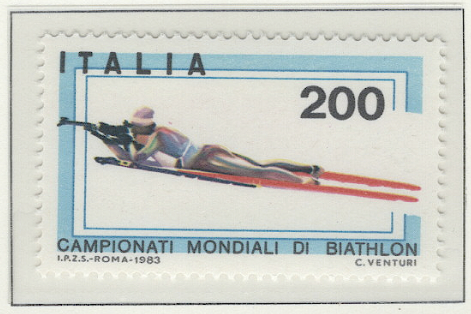
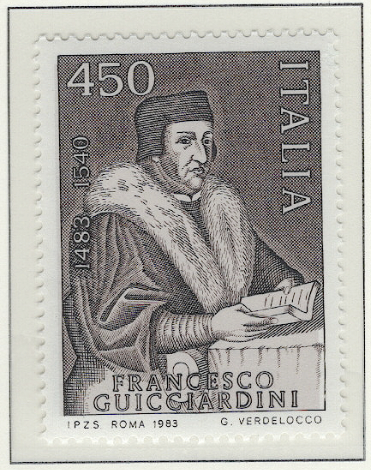
The table below lists information about the stamps shown on this page of Lighthouse’s stamp album. For more details about a particular stamp, click on its description. That will take you to the related web page of Colnect.
spot |
own |
catalog |
subject |
description |
comment |
|---|---|---|---|---|---|
✓ |
1620 |
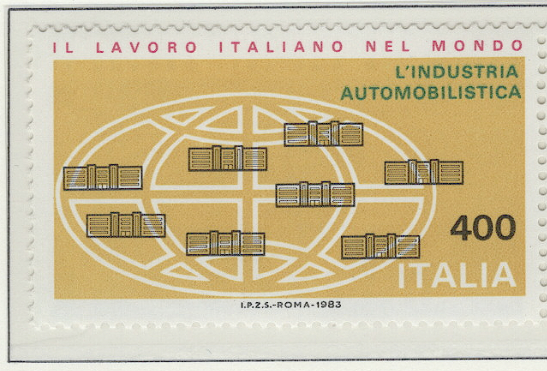
Factories |
400₤ (jan 1983) |
||
✓ |
1621 |
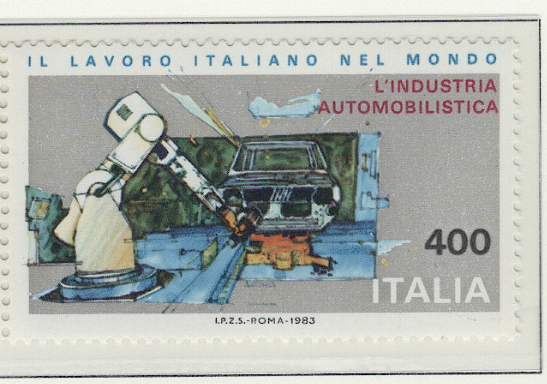
Assembly Line |
400₤ (jan 1983) |
Other
✓ |
1619 |
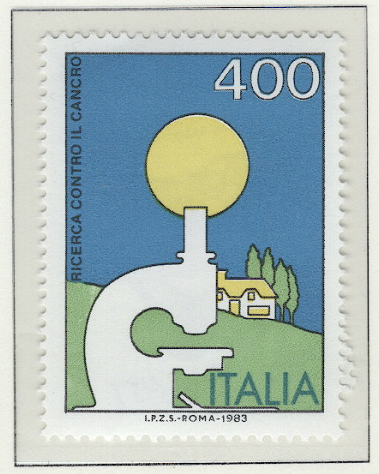
400₤ (jan 1983) |
|||
✓ |
1623 |
200₤ (feb 1983) |
|||
✓ |
1625 |
450₤ (mar 1983) |
Holy Year
✓ |
1628 |
250₤ (mar 1983) |
|||
✓ |
1629 |
300₤ (mar 1983) |
|||
✓ |
1630 |
400₤ (mar 1983) |
|||
✓ |
1631 |
500₤ (mar 1983) |
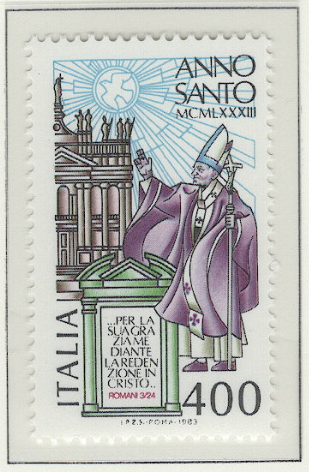
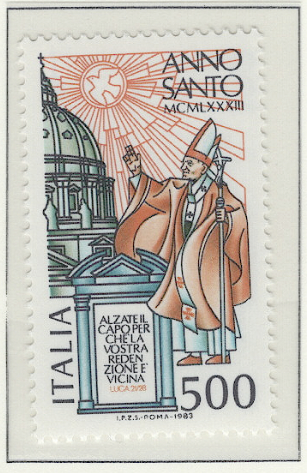
Other
✓ |
1622 |
400₤ (jan 1983) |
|||
✓ |
1627 |
1400₤ (mar 1983) |
|||
✓ |
1624 |
300₤ (feb 1983) |
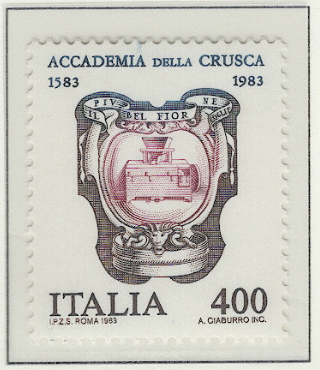
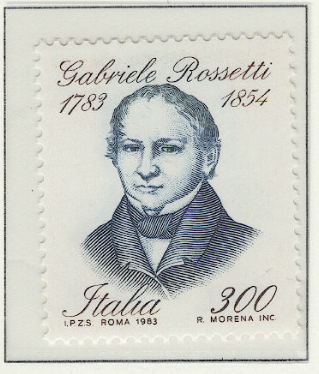
Footnotes
Spot refers to the postion of the stamp on the album page (e.g., 3.2 indicates row 3, position 2).
Amt. is an abbreviation for the face amount of the stamp.
Own indicates the stamp status: ✓ for unused; ✗ for used or canceled; ⭑ signifies I ordered one; ; ✨ indicates it was bought recently; ✠ means an auction bid is pending; and ◎ is used, and it costs too much for unused.
To search by catalog number, go to the search box and enter it in the catalog number box. However, it’s a bit broken; I need to fix it.











