Andrea del Sarto
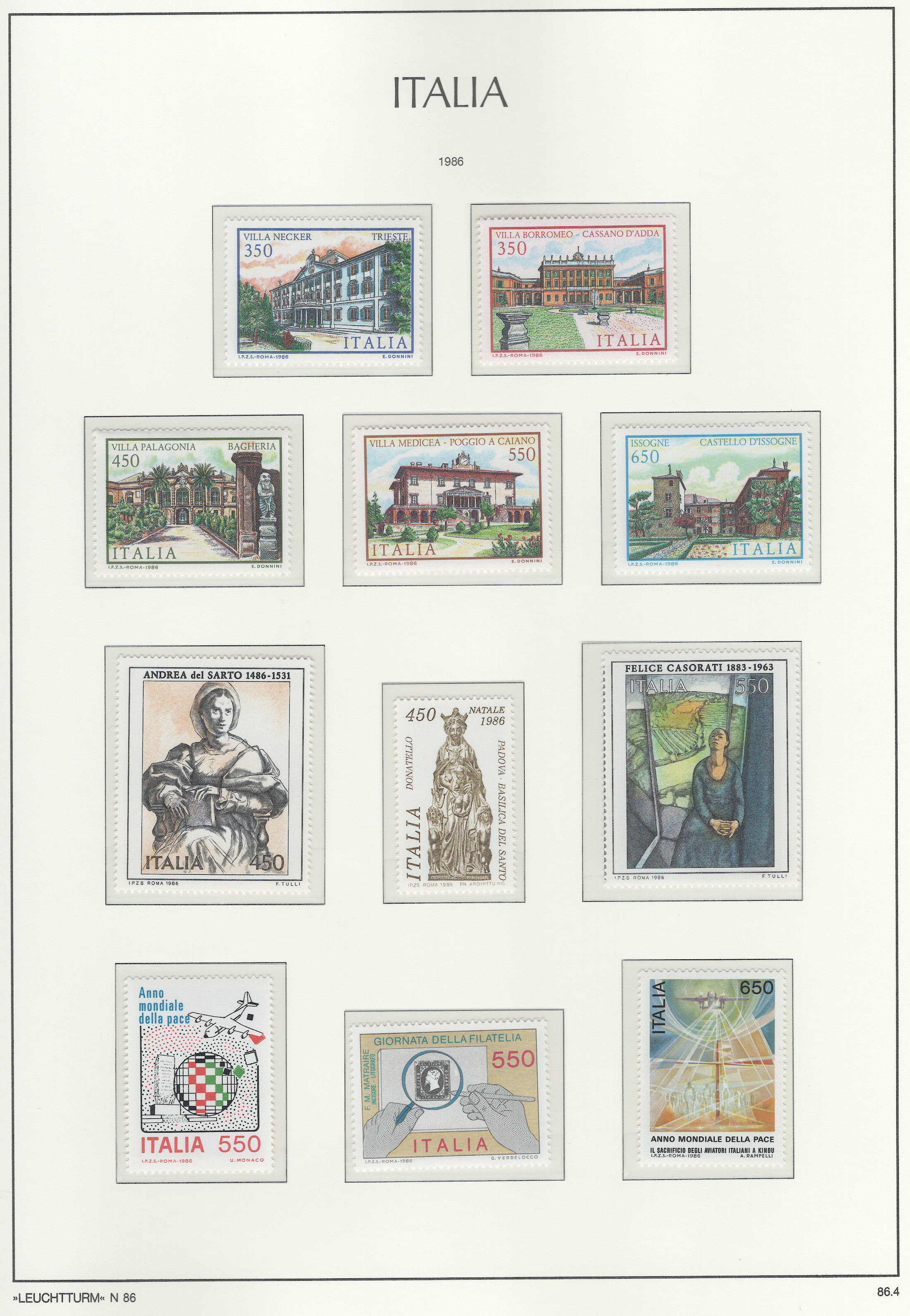
Andrea del Sarto was born Andrea d’Agnolo di Francesco di Luca in Florence on July 16, 1486. He got the name del Sarto (roughly “the tailor’s son”) because his father, Agnolo, was a tailor. He was apprenticed to a goldsmith and then to the woodcarver and painter Gian Barile until 1498, and Vasari says he later trained with Piero di Cosimo. He ran a joint studio in the Piazza del Grano with the older Franciabigio. In December 1512 he married Lucrezia del Fede, who appears in many of his paintings.
His major works include the frescoes at the Santissima Annunziata (e.g., the Nativity of the Virgin from 1514), the Madonna of the Harpies from 1517 and the Last Supper at San Salvi from 1527. In June 1518 he went to Paris at the invitation of Francis I. He was praised for his correct contours and nicknamed senza errori (without errors), though Vasari was critical and said he lacked the divine fire of Leonardo, Michelangelo and Raphael. He died in Florence in late September 1530, during an outbreak of plague, at the age of 44.
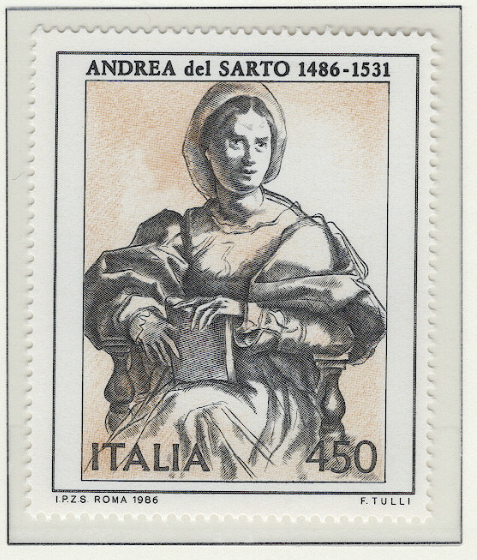
The stamp for the 500th anniversary of his birth in 1986 uses a red chalk drawing of a woman seated in a chair, holding a book. The drawing is now in the Uffizi’s collection of drawings and prints in Florence and is dated around 1517 to 1525. It is described as a study for the Madonna of the Harpies, which shows the Virgin and Child on a pedestal with two saints and two cherubs. The relief on the pedestal shows female figures interpreted as harpies, which gave the painting its English name. Andrea completed it in 1517 for the convent of San Francesco dei Macci, and it is now in the Uffizi as well. The drawing on the stamp shows how he worked out a figure on paper before painting it.
Note
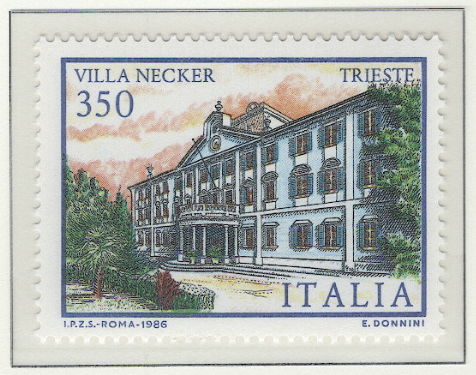
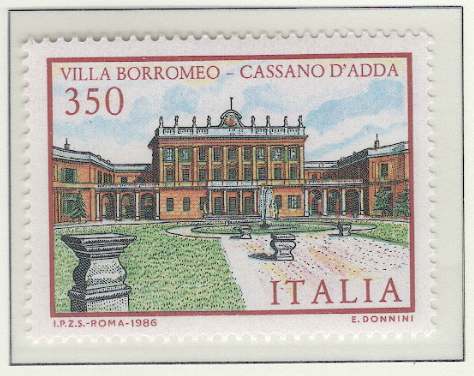
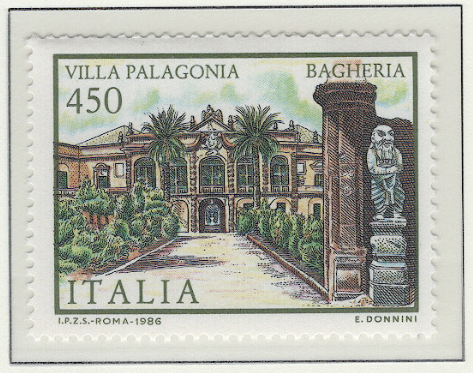
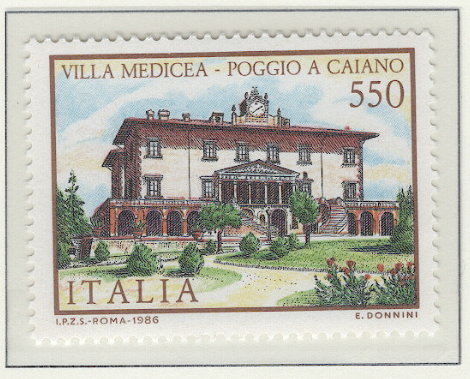
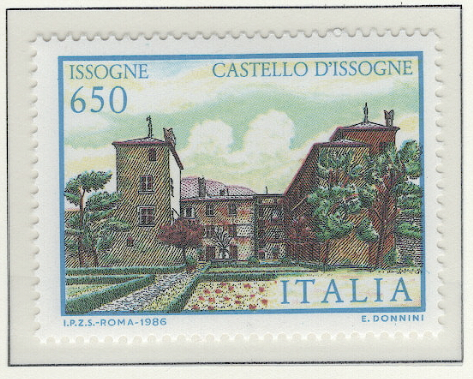
Italy has plenty of art work, especially from the Renaissance period. I’m glad they use that art for stamps. The drawings for the villa series is nice. I like them.
Contains 11 spots: own 11 – 11 unused, 0 used.
Page is finished.
Album or Web Page Last changed Sep 5, 2023
Stamp Details
The table below lists information about the stamps shown on this page of Lighthouse’s stamp album. For more details about a particular stamp, click on its description. That will take you to the related web page of Colnect.
spot |
own |
catalog |
subject |
description |
comment |
Villas
✓ |
1782 |
350₤ (oct 1986) |
|||
✓ |
1781 |
350₤ (oct 1986) |
|||
✓ |
1783 |
450₤ (oct 1986) |
|||
✓ |
1784 |
550₤ (oct 1986) |
|||
✓ |
1785 |
650₤ (oct 1986) |
Italian Artists & Their Art
✓ |
1787 |
450₤ (oct 1986) |
|||
✓ |
1788 |
550₤ (oct 1986) |
|||
✓ |
1786 |
450₤ (oct 1986) |
Other
✓ |
1791 |
550₤ (nov 1986) |
|||
✓ |
1789 |
550₤ (nov 1986) |
|||
✓ |
1790 |
650₤ (nov 1986) |
Footnotes
Spot refers to the postion of the stamp on the album page (e.g., 3.2 indicates row 3, position 2).
Amt. is an abbreviation for the face amount of the stamp.
Own indicates the stamp status: ✓ for unused; ✗ for used or canceled; ⭑ signifies I ordered one; ; ✨ indicates it was bought recently; ✠ means an auction bid is pending; and ◎ is used, and it costs too much for unused.
To search by catalog number, go to the search box and enter it in the catalog number box. However, it’s a bit broken; I need to fix it.










