Lieutenancy
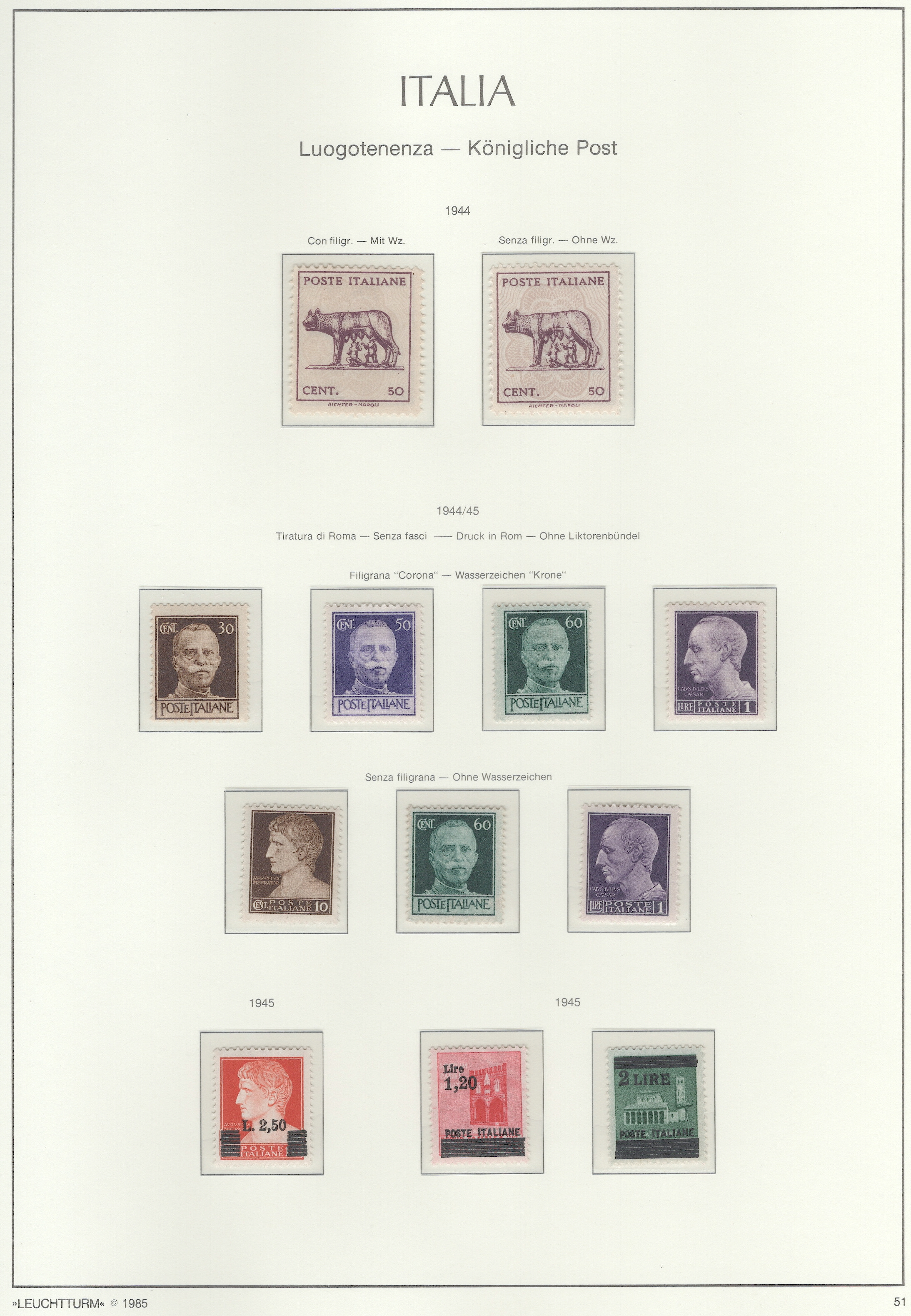
At this point in World War II, in 1943 after the Allied Forces took over Sicily and then southern Italy, the Fascists and Mussolini were thrown out of power and the king surrendered and appointed a new prime minister, Pietro Badoglio. Having joined forces with the Allies, the king and Badoglio first set up the new government in Brindisi. In early 1944, they moved it to Salerno as the Allied Forces progressed north towards Rome. Because the king had mistakenly backed Mussolini and perhaps because he was getting older and feeling distraught and drained from the failures of having foreign forces in his country and rescuing them from native adversaries, in June of 1944 the king gave control of the country to his son, Umberto II. He was named luogotenente, the Lieutenant General of the Realm. The word luogotenente or lieutenant comes from the Latin term, locum tenens, meaning keeping a place,
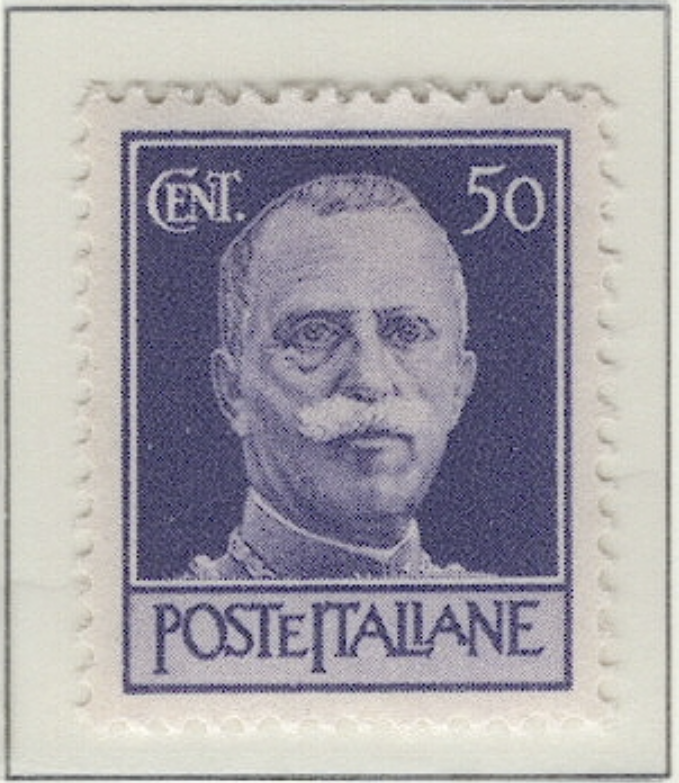
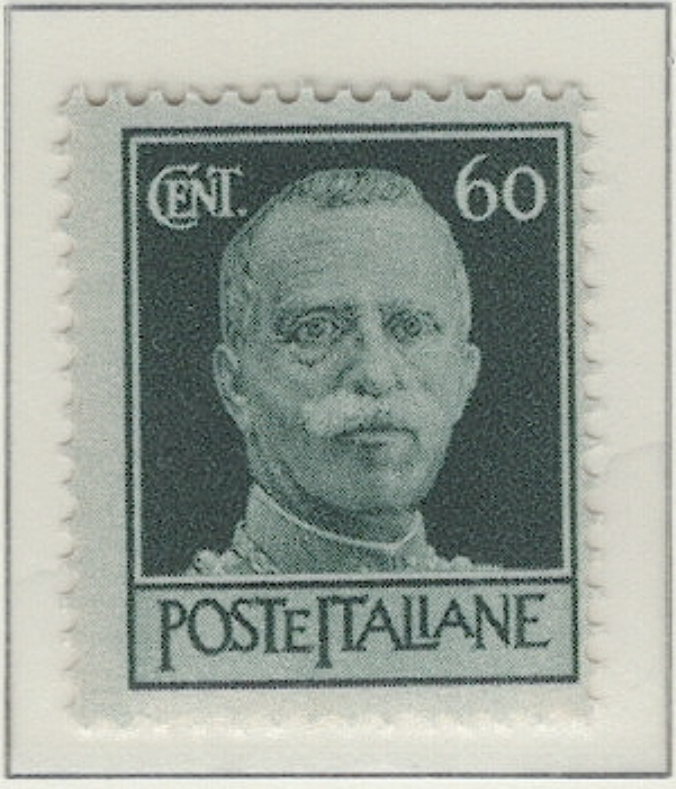
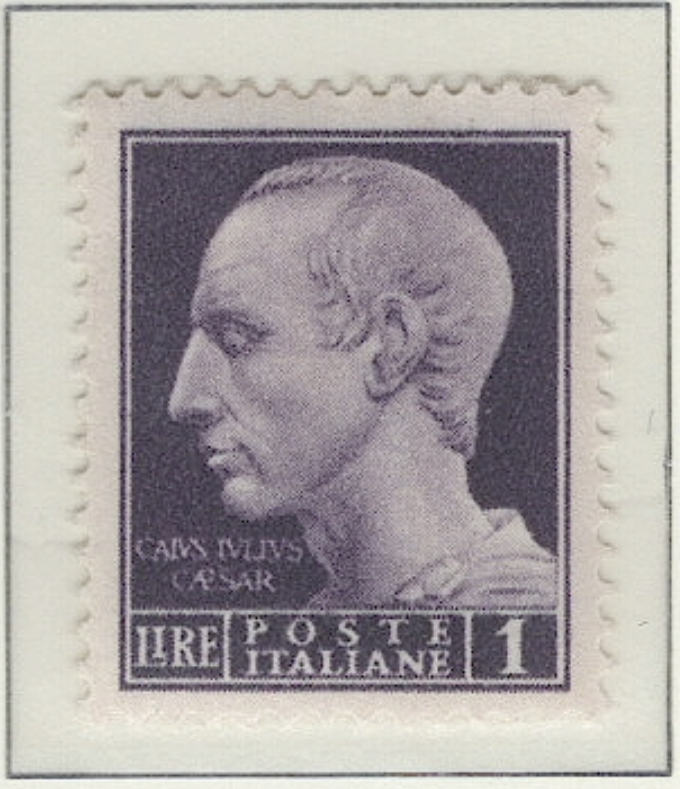
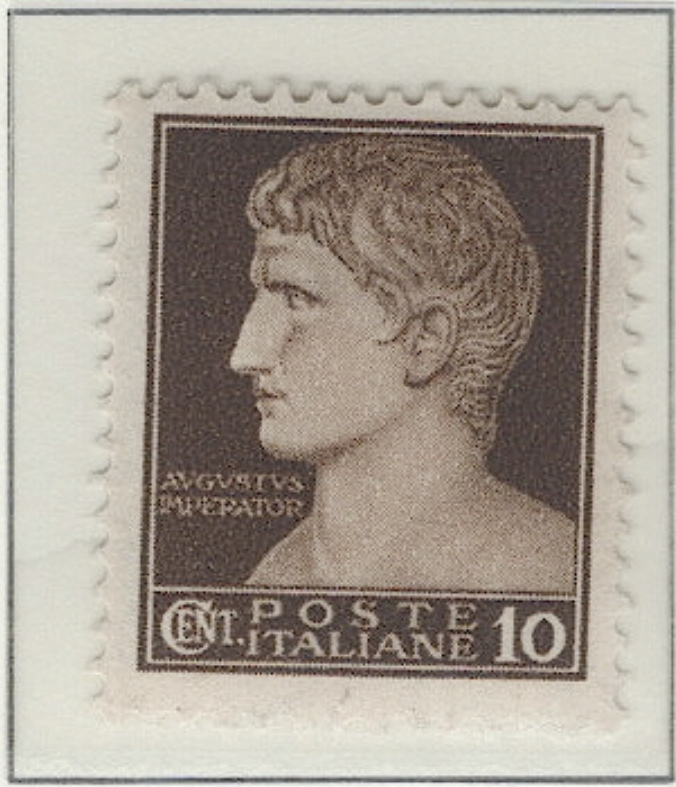
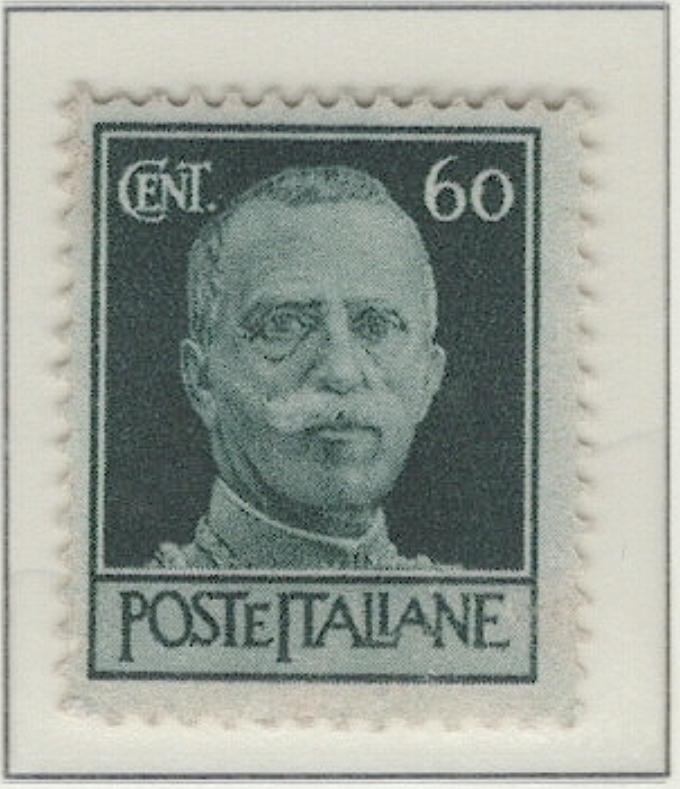
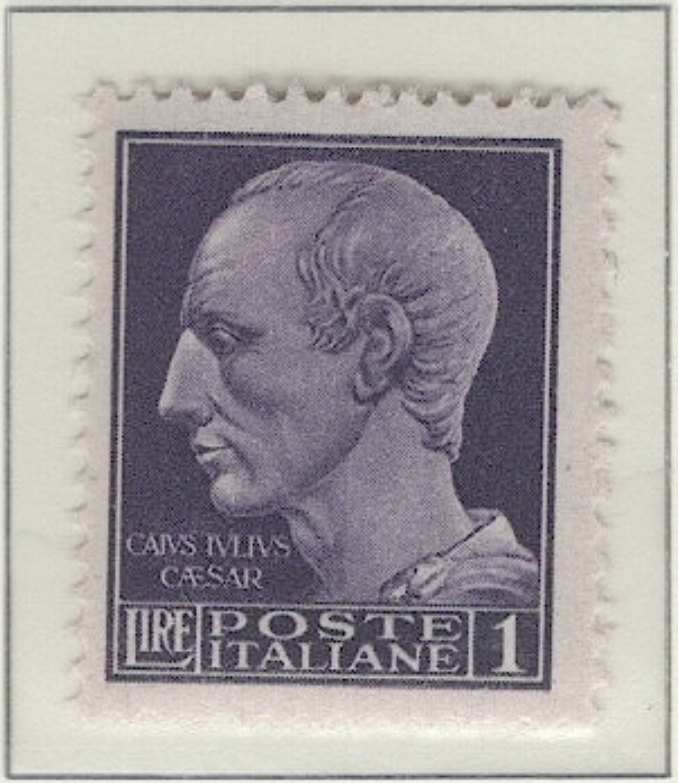
Basically, the crown prince was keeping the king’s place, holding onto his authority and acting on his behalf while the king took a break from power. Therefore, this period is known as the Luogotenenza of Lieutenancy period. The stamps on this album page and the next four pages, the remainder of this album, were issued during that period, up until the time when the king abdicated on May 9, 1946, allowing Umberto II to become the next and last monarch of the Kingdom of Italy – but only for forty-two days before the monarch is abolished.
Note
Given the state of the country, there wasn’t much to celebrate or commemorate. The post office issued only more of the same definitives, but without the fascist symbols and overprints. Perhaps they wanted to show the public the government had returned to normality: the kingdom led by the king, rather that Musolini, the man who would be Duke. As a result, these stamps don’t thrill me very much. Perhaps this is why I took so long to get the ones I was missing. But, they didn’t cost much and I’m obsessed with completing all of the pages I can. So I bought recently the remaining ones – I bought them from a local dealer that I do not like, but he’s the only one that sold them individually, not in sets. Now I have all of them. That’s satisfying.
Contains 12 spots: own 12 – 12 unused, 0 used.
Page is finished.
Album or Web Page Last changed Oct 28, 2022
Stamp Details
The table below lists information about the stamps shown on this page of Lighthouse’s stamp album. For more details about a particular stamp, click on its description. That will take you to the related web page of Colnect.
spot |
own |
catalog |
subject |
description |
comment |
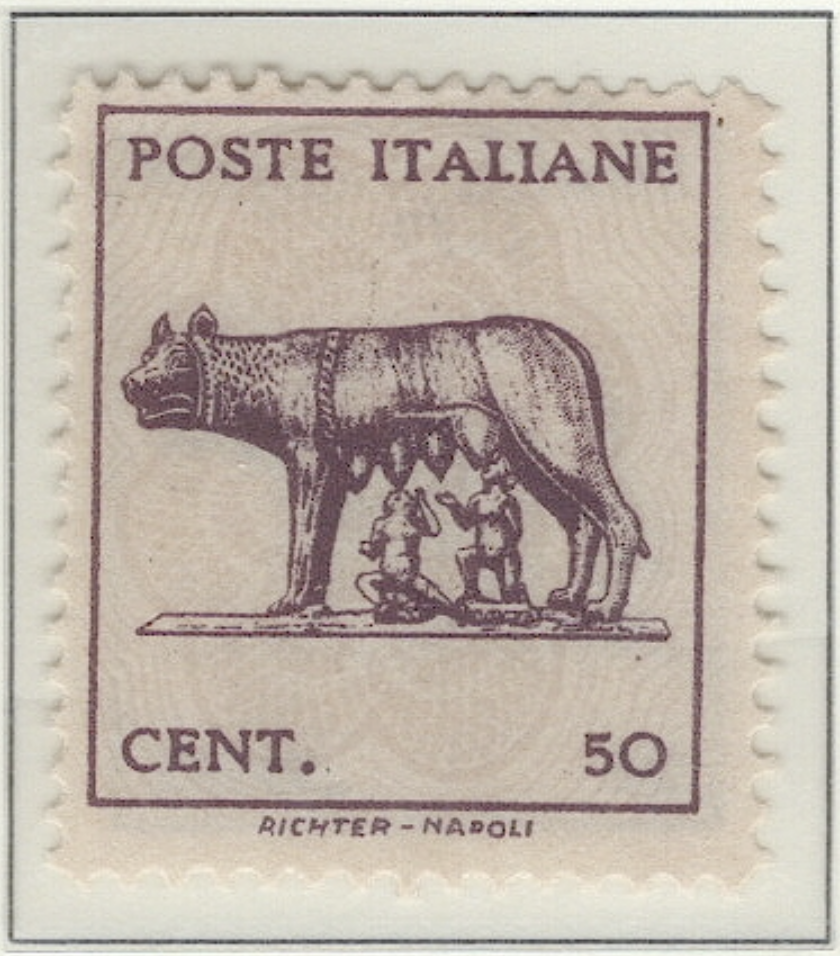
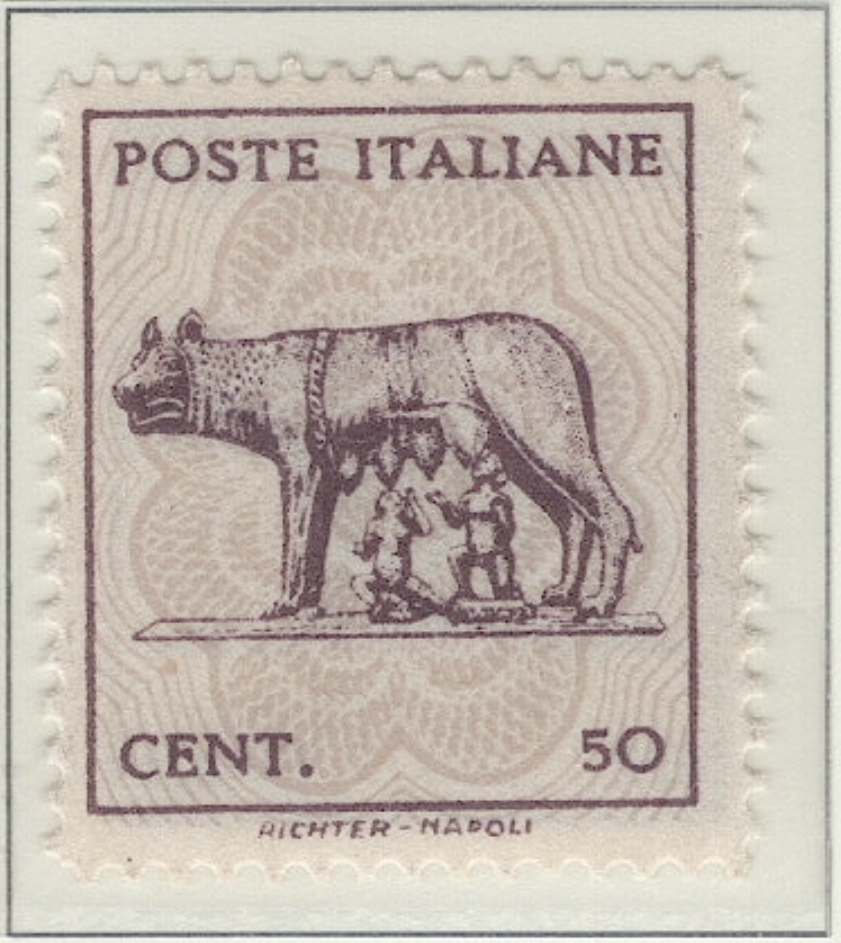
Romulus & Remus
✓ |
515 |
50c (jan 1944) |
|||
✓ |
515A |
50c (mar 1944) |
Lieutenancy Definitives
✓ |
516 |
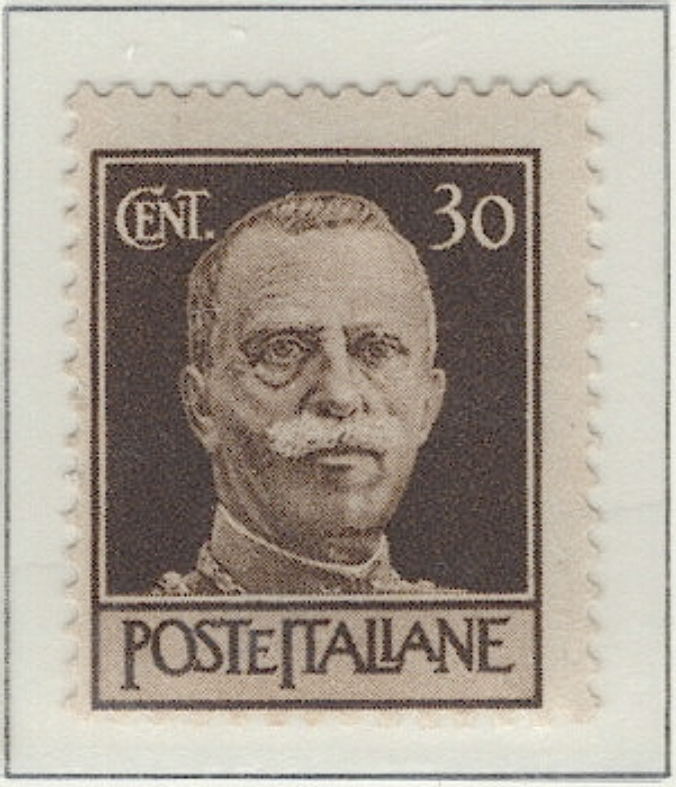
30c (nov 1944) |
|||
✓ |
517 |
50c (nov 1944) |
|||
✓ |
518 |
60c (nov 1944) |
|||
✓ |
519 |
1₤ (oct 1944) |
|||
✓ |
520 |
10c (apr 1945) |
|||
✓ |
530 |
60c (jul 1945) |
|||
✓ |
531 |
1₤ (may 1945) |
Definitives: Overprint
✓ |
523 |
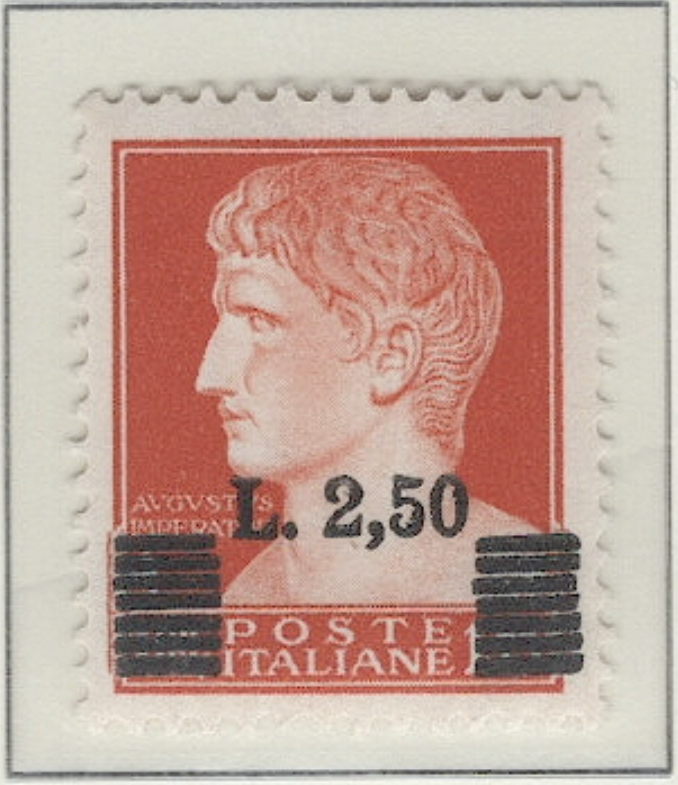
Augustus Octavian |
2.50₤ (mar 1945) |
||
✓ |
524 |
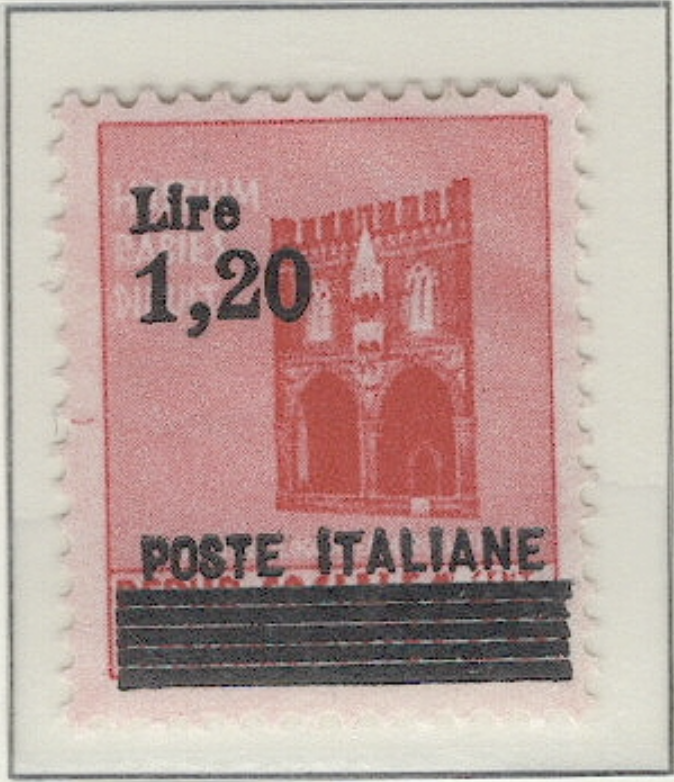
Merchant Lodge |
1.20₤ (may 1945) |
||
✓ |
525-N |
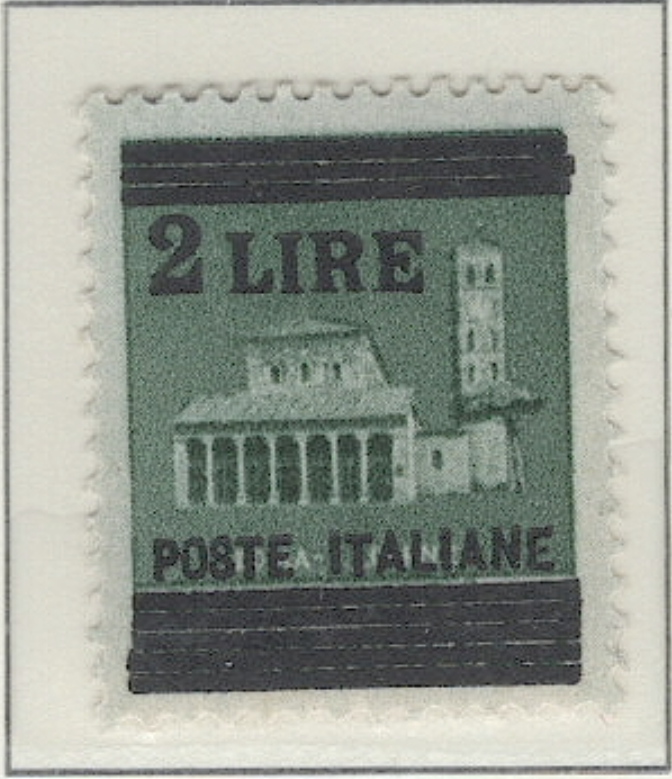
San Lorenzo Basilica |
2₤ (may 1945) |
Footnotes
Spot refers to the postion of the stamp on the album page (e.g., 3.2 indicates row 3, position 2).
Amt. is an abbreviation for the face amount of the stamp.
Own indicates the stamp status: ✓ for unused; ✗ for used or canceled; ⭑ signifies I ordered one; ; ✨ indicates it was bought recently; ✠ means an auction bid is pending; and ◎ is used, and it costs too much for unused.
To search by catalog number, go to the search box and enter it in the catalog number box. However, it’s a bit broken; I need to fix it.











