Dalmatia
Dalmatia is a historical region on the eastern shore of the Adriatic Sea, in modern Croatia and Montenegro. Italy joined the Allies in 1915 after the Treaty of London promised it a large part of Dalmatia, and in November 1918 its forces took over the territory it had been guaranteed. Admiral Enrico Millo declared himself governor, creating the first Governorate of Dalmatia. However, the peace settlement of 1919 to 1920 let Italy keep only Zadar (Zara in Italian) and a few islands, including Cres, Lošinj and Lastovo, and the rest went to Yugoslavia.
Italy came back in 1941, when Germany, Italy and their allies occupied Yugoslavia. Under the Treaties of Rome, the new Independent State of Croatia handed over a stretch of Dalmatian coast from north of Zadar to south of Split and nearly all the Adriatic islands, and Italy annexed them as the second Governorate of Dalmatia. Place names were Italianized, Italian became the official language and Croatian cultural societies were banned. Resistance followed, many joined the Partisans, and the reprisals included burned villages and camps, with some 80,000 Dalmatians passing through them.
Italy surrendered in 1943, and the Partisans liberated much of the region before German forces took it over. The Partisans held Dalmatia by 1944, and after 1945 most of the remaining Dalmatian Italians left. Basically, the Italian presence lasted only about two years the second time.
Note
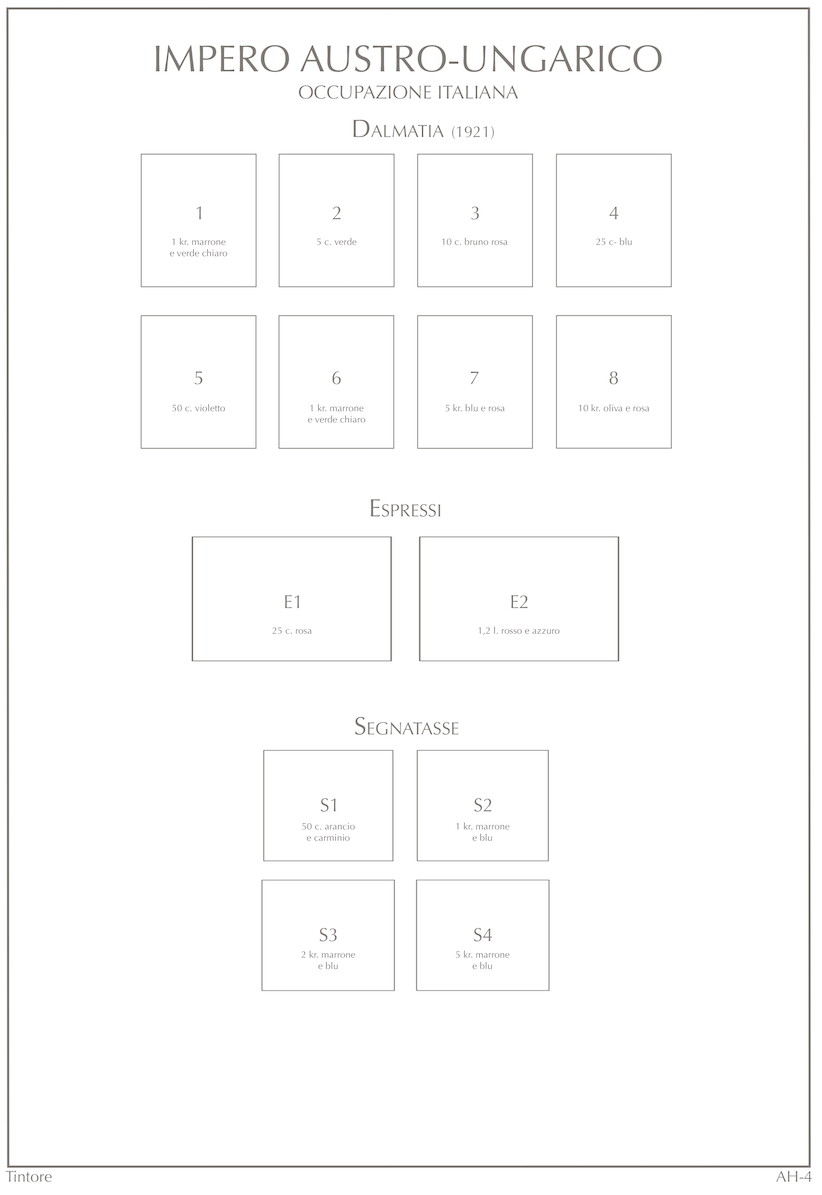
This is another new album page. At this point, I have none of these stamps. I’ve seen them for sale on-line. They don’t seem very expensive. It may not be too long before I get them, or at least some of them.
Contains 14 spots: own 0 – 0 unused, 0 used.
Stamp Details
The table below lists information about the stamps shown on this page of Lighthouse’s stamp album. For more details about a particular stamp, click on its description. That will take you to the related web page of Colnect.
spot |
own |
catalog |
subject |
description |
comment |
|---|---|---|---|---|---|
1 |
1kr (jan 1919) |
||||
2 |
5c (feb 1921) |
||||
3 |
10c (feb 1921) |
||||
4 |
25c (feb 1921) |
||||
5 |
50c (feb 1921) |
||||
6 |
1kr (feb 1921) |
||||
7 |
5kr (feb 1921) |
||||
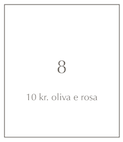
8 |
10kr (feb 1921) |
||||
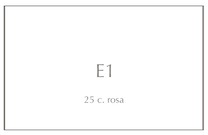
E1 |
25c (feb 1921) |
||||
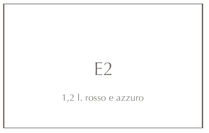
E2 |
1.20₤ (apr 1922) |
||||
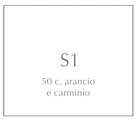
S1 |
50c (oct 1922) |
||||
S2 |
1kr (oct 1922) |
||||
S3 |
2kr (oct 1922) |
||||
S4 |
5kr (oct 1922) |
Footnotes
Spot refers to the postion of the stamp on the album page (e.g., 3.2 indicates row 3, position 2).
Amt. is an abbreviation for the face amount of the stamp.
Own indicates the stamp status: ✓ for unused; ✗ for used or canceled; ⭑ signifies I ordered one; ; ✨ indicates it was bought recently; ✠ means an auction bid is pending; and ◎ is used, and it costs too much for unused.
To search by catalog number, go to the search box and enter it in the catalog number box. However, it’s a bit broken; I need to fix it.













