Levante
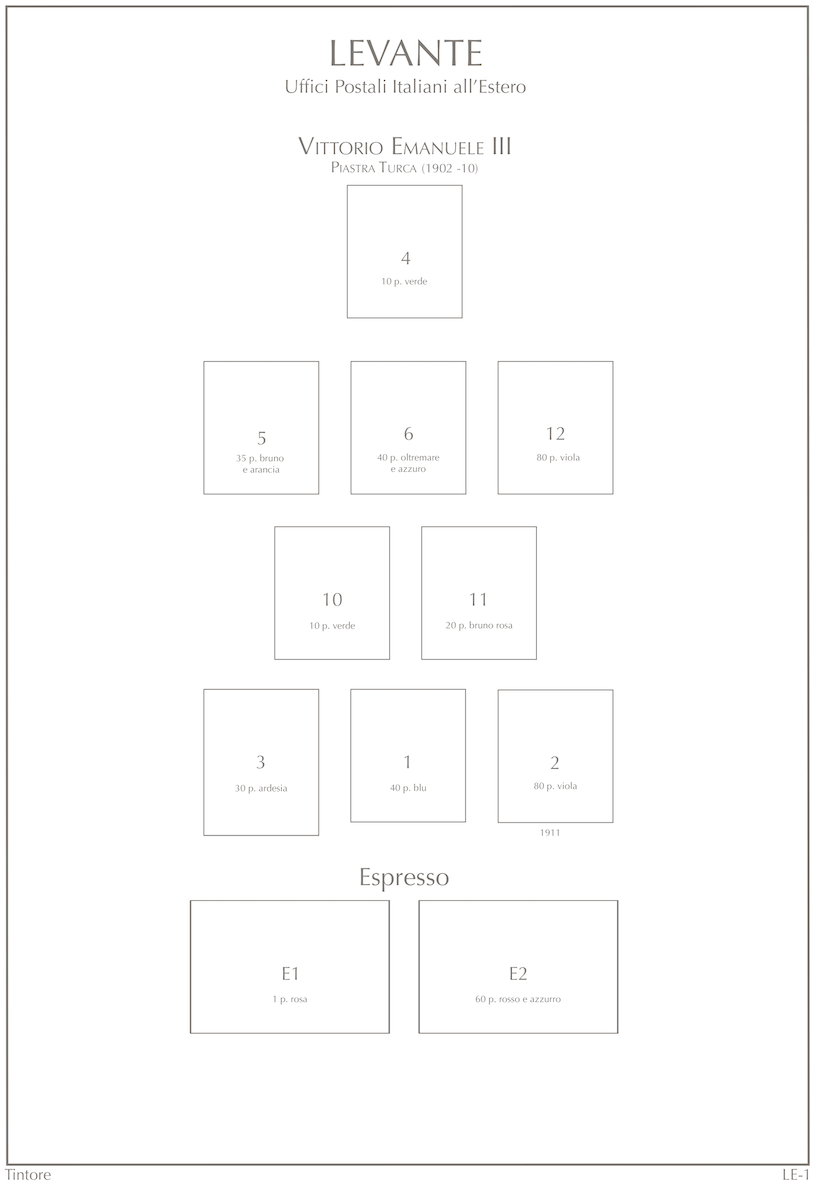
The Levant (Levante in Italian) is a subregion of West Asia along the eastern Mediterranean. In its narrowest sense, used mostly in archaeology, it covers Cyprus and the land bordering the Levantine Sea, meaning Syria, Lebanon, Jordan, Palestine, Israel and southern Cilicia in Turkey. In its widest historical sense, it included the whole eastern Mediterranean, from Greece to Egypt and Cyrenaica in eastern Libya. Archaeologists prefer the term to “Syria-Palestine” because it has no political overtones. The five modern states of Syria, Jordan, Israel, Lebanon and Palestine have a combined population of about 57.7 million (2023).
The name comes from the Italian levante, meaning “rising,” as in the rising of the sun in the east. In the 13th and 14th centuries, Italian traders used it for their maritime commerce in the eastern Mediterranean, which meant the lands east of Venice, e.g., Greece, Anatolia, Syria-Palestine and Egypt. The same idea appears in the Arabic Mashriq (“eastern place, where the Sun rises”) and in the Riviera di Levante, the part of the Ligurian coast east of Genoa. The term entered English from French and is first recorded in English in 1497.
The English signed their capitulations with the Ottoman sultan in 1579 and founded the Levant Company in 1581 to trade with the Ottoman Empire. France followed with its Compagnie du Levant in 1670. After World War I, the French mandate over Syria and Lebanon (1920 to 1946) was called the Levant States, which is why the term now points to the area covered by those countries and Cyprus. Several dictionaries now consider Levant archaic as a name for the modern region. For stamp collectors, it also turns up in the “Levant” stamps of the French post offices in the Ottoman Empire.
Note
I’ve seen a few of these Levante overprint stamps for sale on dealer sites in Italy, but not all of them. The few I’ve seen weren’t too expensive, but when I start buying them, I doubt I’ll be able to fill the page too quickly. We’ll see how it goes when I begin searching for them.
Contains 11 spots: own 0 – 0 unused, 0 used.
Stamp Details
The table below lists information about the stamps shown on this page of Lighthouse’s stamp album. For more details about a particular stamp, click on its description. That will take you to the related web page of Colnect.
spot |
own |
catalog |
subject |
description |
comment |
|---|---|---|---|---|---|
4 |
Savoy Crest |
10p (dec 1902) |
|||
5 |
Vittorio Emanuele III - Cellini |
35p (dec 1902) |
|||
6 |
Vittorio Emanuele III - Cellini |
40p (dec 1902) |
|||
12 |
Vittorio Emanuele III - Cellini |
80p (nov 1907) |
|||
10 |
Vittorio Emanuele III - Leoni |
10p (jun 1907) |
|||
11 |
Vittorio Emanuele III - Leoni |
20p (nov 1907) |
|||
3 |
Vittorio Emanuele III - Michetti |
30p (dec 1908) |
|||
1 |
Vittorio Emanuele III - Michetti |
40p (jun 1908) |
|||
2 |
Vittorio Emanuele III - Michetti |
80p (jun 1908) |
|||
E1 |
Espresso |
1P (jan 1908) |
|||
E2 |
Espresso |
60p (jan 1910) |
Footnotes
Spot refers to the postion of the stamp on the album page (e.g., 3.2 indicates row 3, position 2).
Amt. is an abbreviation for the face amount of the stamp.
Own indicates the stamp status: ✓ for unused; ✗ for used or canceled; ⭑ signifies I ordered one; ; ✨ indicates it was bought recently; ✠ means an auction bid is pending; and ◎ is used, and it costs too much for unused.
To search by catalog number, go to the search box and enter it in the catalog number box. However, it’s a bit broken; I need to fix it.










